


Overview
This research discusses the canal digging programmes in Bangladesh and their importance for agriculture, water management, and the economy. It explains the canal excavation movement started by President Ziaur Rahman during the Green Revolution and the new canal project launched in 2026 under Tarique Rahman. The study also looks at examples from other countries and examines both the benefits and the challenges of canal digging to give a clear and balanced understanding of the topic.
1.Introduction: The Canal Digging Program
We all have heard about canal digging or canal excavation many times. It is a very common term, especially in a country like Bangladesh. But do we really understand why this work is done and why it is so important? To many people, it just looks like moving dirt, but it is actually a big step toward changing a country.
Bangladesh is a country filled with many rivers and canals. For a long time, these water paths were very important for village life. They helped farmers grow crops and let people move goods easily by boat. However, with time, many canals have been filled, occupied, or damaged due to poor management and unplanned development. Because of this, the natural flow of water has been disrupted, creating serious problems in many parts of the country.
Today, many of our canals are in bad shape. Most are filled with mud, and some have been taken over by people who have built houses or shops on them. This causes two big problems:
- No Water for Crops: In the dry season, farmers cannot find water to grow their food.
- Too Much Water: In the rainy season, the rain stays on the land because it has nowhere to go. This creates floods that destroy farms.
This is where canal excavation becomes important. By digging and restoring canals, water can flow properly again. Excess water can be removed during the rainy season, and water can be stored for use in the dry season. [3] [5]
2. Canal Digging Project Under Major Zia’s Government
The idea of digging canals in Bangladesh is not new. It is a very important part of the BNP’s history. In 1977, the founder of the BNP, former President Ziaur Rahman, started a famous nationwide movement. He believed that water is the “blood” of our country’s economy.
2.1 Green Revolution:
In the late 1970s, Bangladesh faced a big challenge: there wasn’t enough food for everyone. To solve this, President Ziaur Rahman started a movement called the “Green Revolution”. The goal was simple—to use the country’s own water and land to grow massive amounts of rice and vegetables. The Green Revolution was successful because of the canal digging program. Before this, many farmers could only grow one crop a year because they didn’t have water during the dry season.
- Triple Crops: By digging thousands of miles of canals, the government brought water to dry fields. This allowed farmers to grow crops three times a year instead of just once.
- Self-Sufficiency: Because of these canals, by 1978, Bangladesh was finally able to grow enough grain to feed its own people. This was a huge victory for the country’s economy. [7]
2.2 The Impact of the Green Revolution Canal Program (1977-1981)
When President Ziaur Rahman started this movement, he did not just give orders; he picked up a spade (kodaal) and started digging the canals himself.

This motivated millions of people to join him. Together, they dug or repaired about 3,636 miles of canals. This hard work brought three major benefits to the people:
i. The Green Revolution and Food Independence
Before this program, many farms could only grow one crop a year because they didn’t have enough water.
- The Change: After the canals were dug, farmers could grow two or three crops a year.
- The Result: This massive increase in food is known as the “Green Revolution.” It helped Bangladesh grow its own food, so it didn’t have to rely on other countries. [6]
ii. Controlling Floods and Droughts
The canals acted like a natural “water management” system:
- In the Rainy Season: The canals carried away extra rainwater. This stopped big floods from destroying houses and farms.
- In the Dry Season: The canals stored water. Farmers could easily use this stored water to keep their crops alive when there was no rain.
iii. Jobs for Village People
The canal project was a huge help for the rural economy:
- Mass Participation: Thousands of local people worked on these projects.
- Earning Money: It created many jobs for poor villagers, giving them a way to earn money and feed their families during difficult times.
3. The 2026 Canal Digging Project of BNP
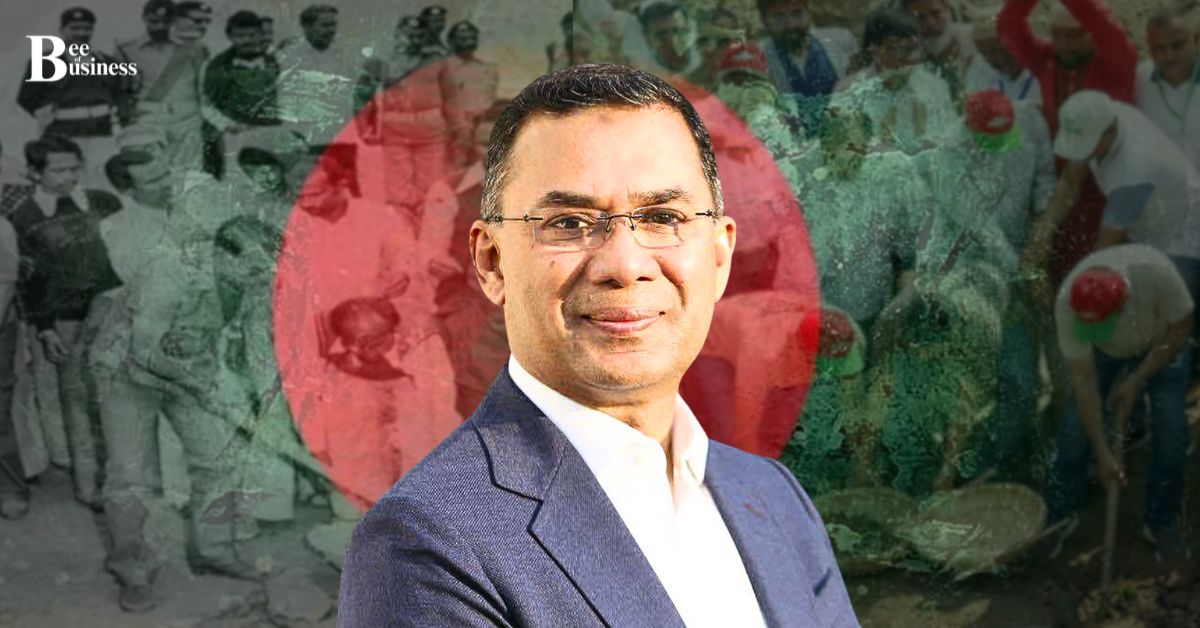
Today, BNP and Prime Minister Tarique Rahman are using the same idea of his father to start a “New Green Revolution.” Prime Minister Tarique Rahman has described the new canal excavation initiative as a continuation of the historic canal digging program introduced by his father, President Ziaur Rahman, in the late 1970s. He said,
“আমরা শহীদ জিয়া যে খাল খনন কর্মসূচি শুরু করেছিলেন, তা আবার চালু করতে চাই।”
Translation: “We want to restart the canal excavation programme that Shaheed Zia had initiated.”
Prime Minister Tarique Rahman has stated that this project is a tribute to the “Green Revolution” started by his father, Ziaur Rahman, in 1977. While the old project helped Bangladesh become self-sufficient in the 70s, the 2026 project aims to make Bangladesh a modern agricultural powerhouse.[4] [3] [8]
3.1 The Goal of the Project
The government has set a target to excavate and restore around 20,000 kilometres of canals, rivers, and water bodies within five years. This is one of the largest water management projects in Bangladesh’s recent history. Officials have also stated that the programme aims to restore hundreds of lost rivers and thousands of blocked canals to their natural condition. Excavation activities have already started in several regions, including Barishal and Bagerhat, where local canal restoration work is underway. [8]
Read More: Economic Situation During BNP’s Time Compared to Other
4. Controversy About the Project
Some political leaders have commented on the BNP’s canal excavation programme. Nasir Uddin Patowary Said:
“খাল কেটে ভারতীয় কুমির আনবেন না!”
Translation: “Do not bring Indian crocodiles by digging canals!”
He emphasized that canal projects or the Green Revolution project should focus on water management and agriculture, not creating ecological problems. [16]
Similarly, BNP Standing Committee member Gayeshwar Chandra Roy said:
“খাল খনন নিয়ে একসময় সমালোচনা হতো। তবে খাল খননের পেছনে মহৎ উদ্দেশ্য ছিল। খালের মধ্যে যে একটা কুমির ছিল, এটা কেউ খেয়াল করেননি। সেই কুমিরটা ১৭ বছর মানুষকে যন্ত্রণা দিয়ে এখন দিল্লিতে পালিয়ে আছে। তাই খাল খেটে কুমির আনা যাবে না, খাল কেটে স্বচ্ছ পানি আনতে হবে।”
Translation: “There was criticism of canal excavation at one time. But the canal digging had a noble purpose. No one noticed that there was a crocodile in the canal. That crocodile caused people suffering for 17 years and has now escaped to Delhi. Therefore, digging canals should not bring crocodiles; canals should be dug to bring clear water.” [3]
These statements underline the importance of careful planning in canal projects to ensure safety and the main goal of providing the water.
5. Global Examples: Canal Excavation and Water Management
Countries like Afghanistan, Egypt, Pakistan, India and Burkina Faso have run successful canal digging programs similar to BNPs Green Revolution project in Bangladesh. These projects focus on irrigation in dry areas to boost farming and local economies.
5.1 Afghanistan’s Qosh Tepa Canal
The Qosh Tepa Canal is one of the most ambitious canal excavation and water management projects in Afghanistan. It is designed to divert water from the Amu Darya River to irrigate large areas of dry and arid land in the northern part of the country. [10]
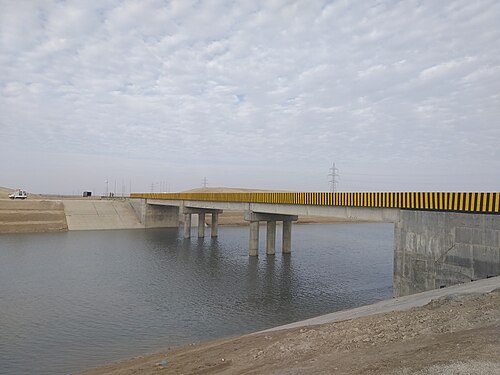
The Qosh Tepa Canal represents a major national water management effort in Afghanistan. If successful, it could change the agricultural landscape of the country, reduce water scarcity, and help boost local economies. However, it also poses regional water diplomacy and environmental challenges due to its reliance on shared river resources. [11]
5.2 Pakistan’s Canal Projects
Pakistan has several old canal projects that have long supported farming, such as the Warsak Canal (built in the 1960s, recently upgraded) in Khyber Pakhtunkhwa and the Kachhi Canal (started in 2002) stretching from the Indus River to Baluchistan and Punjab. These canals bring water to dry areas, help farmers grow more crops, reduce dependence on rain, and improve local food production. [11]
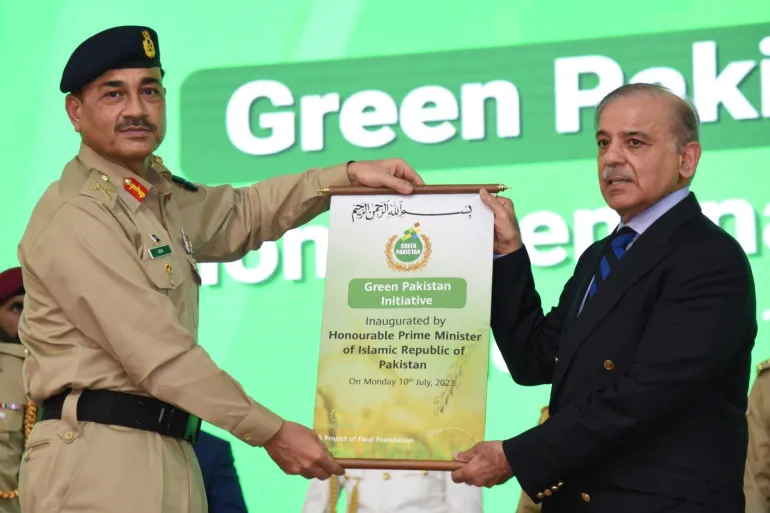
Recently, the government proposed new canal projects (2023–2025) under the Green Pakistan Initiative, including up to six new canals from the Indus River. These aim to irrigate uncultivated land, increase crop production, create rural jobs, and reduce drought impacts. However, some plans have faced protests in Sindh, where people fear reduced water downstream, leading authorities to reconsider parts of the projects. [12]
5.3 India’s Canal Digging and Construction Projects
India has many important canal digging and construction projects to bring water to dry areas and help farmers. One major new construction and excavation project is the Veligonda Project in Andhra Pradesh, where canal works and feeder canal lining began in 2026 to send water from the Godavari and Krishna rivers to irrigate over 4 lakh acres of farmland, helping crops and drinking water supply. [13]
Other ongoing major canal works include the Saryu Canal and Middle Ganga Phase‑2 projects in Uttar Pradesh, funded in 2026 with over ₹6,400 crore for digging and expanding water channels to improve irrigation and boost agricultural production for millions of farmers. Additionally, improvements and dredging of existing canals such as the Chilavannoor Canal in Kerala are underway (removing soil and widening waterways) to improve water flow and reduce flood risks. [14] [13]
Old and large canal systems like the Indira Gandhi Canal (launched in 1958), one of India’s longest irrigation canals, also involved major digging and construction over decades to transform desert lands into fertile fields across Rajasthan, Haryana, and Punjab. [15]
6. Benefits of Canal Digging Projects
Canal digging or canal re‑excavation brings many advantages for farming, water management, and the local economy. Studies and real projects show that restoring canals improves life for many people.
a. Better Irrigation and More Crops
Canals help bring water to fields during dry periods. Re‑excavated canals in Rangpur made water available on land that was waterlogged for decades, allowing farmers to grow three crops a year and produce millions of tonnes of rice and vegetables.
b. Reduced Water Scarcity and Groundwater Recharge
Revived or newly dug canals can store rainwater in the monsoon and release it later in the dry season. The Kalinchi Canal re‑excavation project aims to store rainwater, reduce water scarcity, and raise the groundwater level, helping thousands of local farmers and residents. [17]
c. Flood Control and Water Management
Studies show that canal excavation helps water drain faster and reduces flooding problems. Research in Dhaka suggests that digging just 15 blocked canals could solve around 80% of the city’s waterlogging problem. [8]
d. Increased Cultivable Land
When canals are deepened and re‑excavated, waterlogging decreases and dried‑out land becomes usable again. Farmers in Rangpur were able to turn 15,000 hectares of waterlogged land into productive farmland after canal restoration.
e. Supports Food Security and Local Economy
Canals help farmers grow more food and reduce dependence on expensive groundwater pumps. Re‑excavation increases surface water availability for irrigation, which helps produce more crops for local markets and food supply. [1]
f. Environmental and Ecological Benefits
Canal restoration brings back natural water flow, improves soil conditions, and supports biodiversity. It helps maintain proper water movement, which supports fish and other life in waterways while also improving soil health. [2]
7. Challenges and Risks of Canal Projects
Despite many benefits, canal digging also has some problems. Canals may become filled with silt again if they are not maintained properly. Illegal land occupation and poor planning can reduce the effectiveness of these projects. In some cases, canal digging can also harm natural habitats.
7.1 Need for Proper Planning and Long-Term Maintenance
For canal projects to be successful, governments must ensure regular maintenance, proper environmental planning, and transparent management. Without these steps, the benefits of canal excavation may not last long.
Conclusion
Canal digging and re-excavation can bring many positive changes to a country. It improves irrigation, increases crop production, and helps store water for use during dry seasons. These changes support farmers and strengthen national food security. For a country like Bangladesh, where agriculture and water are closely connected, canal excavation can play a major role in improving food production, reducing flood damage, and supporting long-term economic development.
References: