

Overview
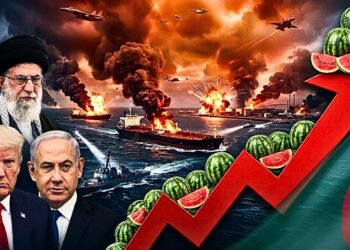
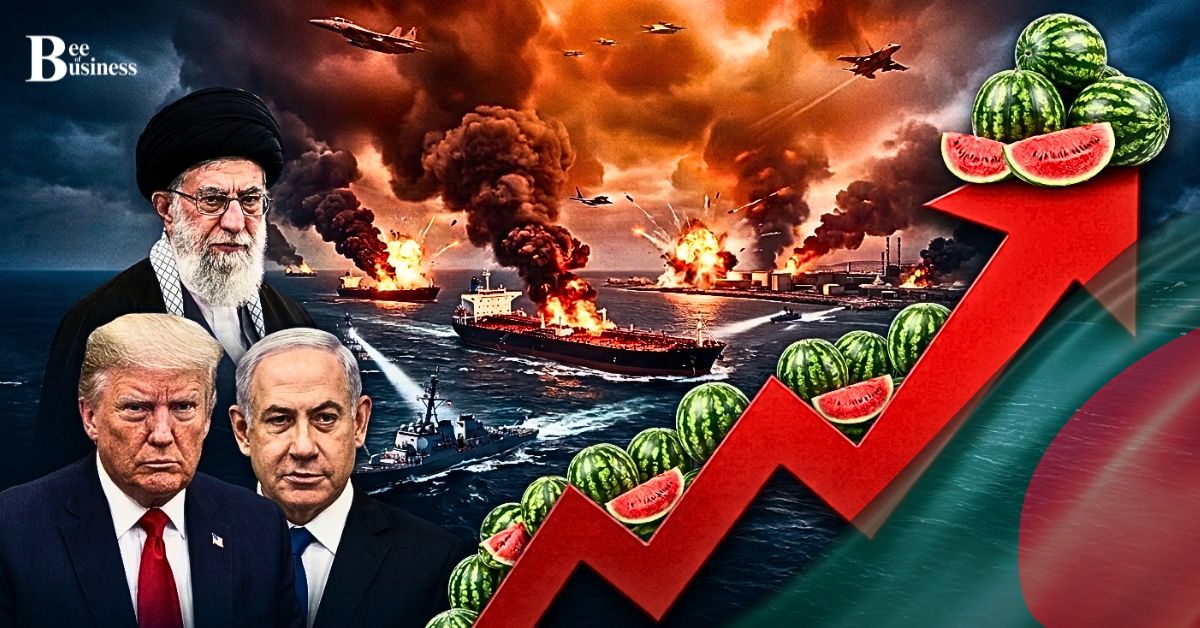
The ongoing Israel-Iran conflict has disrupted the Strait of Hormuz, driving global oil prices above $90 per barrel and raising costs for transportation, industry, and food worldwide. In Bangladesh, traders are not only passing these higher costs to consumers but some are allegedly forming syndicates and creating artificial shortages to make extra profit. Essentials like edible oils have spiked in price, causing hardship ahead of Eid, while small businesses struggle with rising import and production costs. Ordinary people face higher grocery bills, limited availability of goods, and tighter household budgets, highlighting how global conflicts and local market manipulations hit everyday life.
1. Introduction
Amid the ongoing Israel-Iran conflict, has once again pushed the global economy into a state of deep uncertainty. Coming just a few years after the shockwaves of the Russia–Ukraine War, this new crisis is raising fears of an even more severe economic disruption.
At the heart of the crisis lies the closure of the Strait of Hormuz; one of the world’s most crucial oil transit routes. A significant portion of global oil and gas supplies passes through this narrow waterway. Its shutdown has immediately triggered a surge in global oil prices, which have crossed $90 per barrel. Beyond oil, the route is also vital for transporting essential goods such as fertilizers and industrial inputs, meaning the disruption is spreading across multiple sectors.
The sharp increase in oil prices is expected to fuel inflation worldwide. Higher fuel costs directly impact transportation, manufacturing, and food production, ultimately increasing the cost of living. The International Monetary Fund has warned that if the conflict continues, global economic growth could slow significantly while inflation rises further.
2. What is Strait of Hormuz and Why it Matters
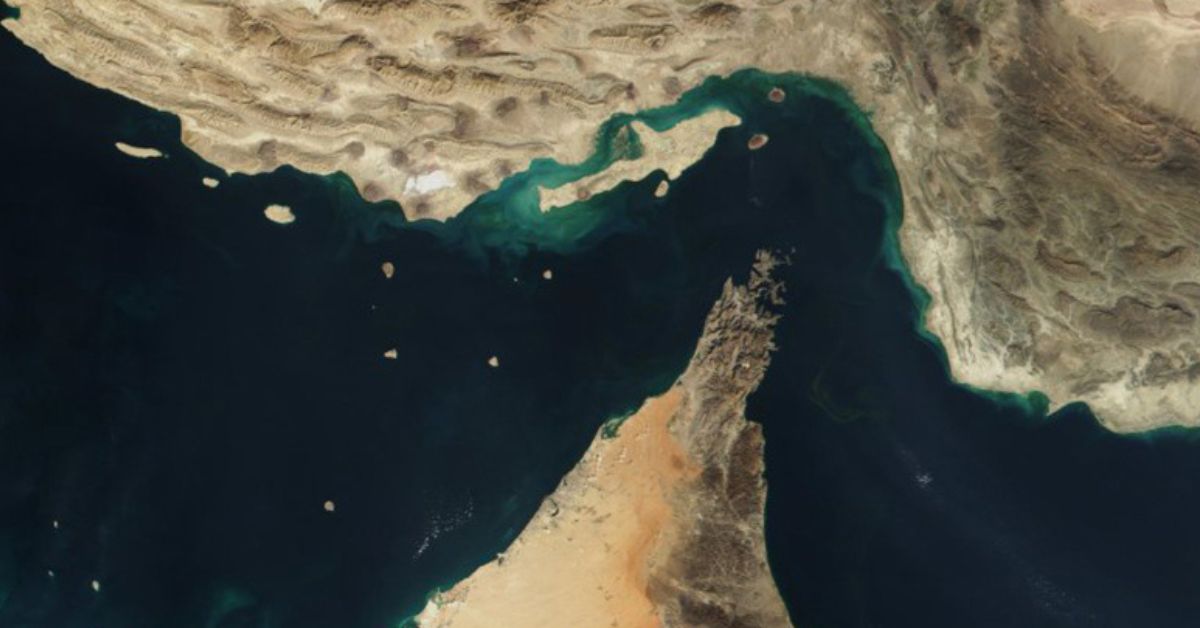
The Strait of Hormuz is a narrow sea passage between Iran and the Arabian Peninsula (Oman/UAE) that connects the Persian Gulf with the Gulf of Oman and the Arabian Sea. It is the only sea route for oil and gas tankers leaving the Persian Gulf, so nearly all exports from major producers like Saudi Arabia, Iran, Iraq, UAE, Qatar, Kuwait, and Bahrain must pass through it. The strait is about 100–170 km long and roughly 20–39 km wide at its narrowest point, making it a natural “chokepoint” for global shipping.
Every day in 2025, about 20 million barrels of oil passed through this route, according to the US Energy Information Administration. This means around $600 billion worth of energy trade happens here every year. The oil does not come only from Iran, but also from other countries like Iraq, Kuwait, Qatar, Saudi Arabia, and United Arab Emirates.
2.1. Why Strait of Hormuz matter
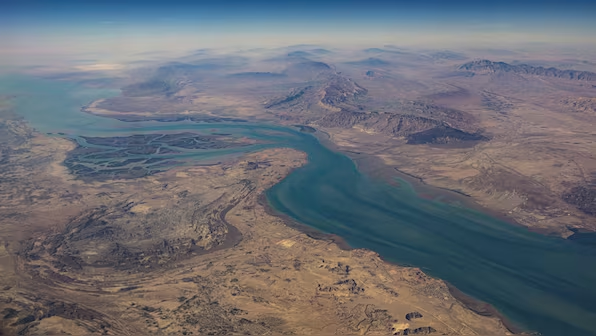
The Strait of Hormuz matters because it is the main sea passage linking the oil‑rich Persian Gulf with the rest of the world, and any disruption there directly shakes global energy markets. The strait allows the world’s largest crude oil tankers to pass, making it essential for major Middle Eastern oil and liquefied natural gas (LNG) producers, including Saudi Arabia, Iran, Iraq, Kuwait, the United Arab Emirates (UAE), and Qatar. It is important because of,
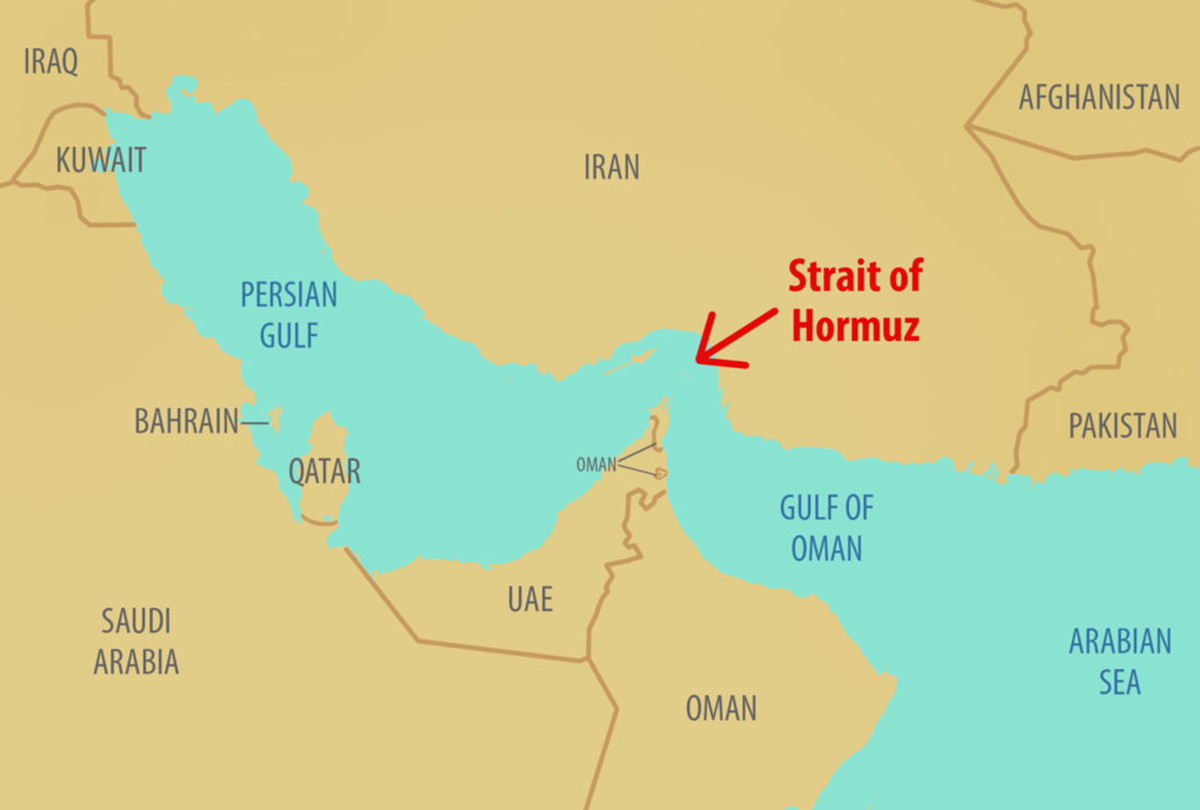
Energy Security: The strait is a lifeline for countries that rely heavily on imported oil and gas. For instance, India imports roughly 80–85% of its oil, much of which comes from the Gulf region. China, Japan, and South Korea are similarly dependent. Any disruption here, whether through political tensions, military conflict, or any war, can immediately threaten the energy supply of these countries, causing fuel shortages, price hikes, and inflation.
Economic Impact: Because of so much oil passes through Hormuz, even small disruptions can ripple across the global economy. A blocked or threatened passage can cause oil prices to skyrocket, raising transportation, production, and living costs worldwide. Inflation can rise, slowing economic growth and affecting daily life in almost every country. This demonstrates how regional conflicts can have global consequences.
Geopolitical Significance: The strait has historically been a hotspot for conflict. It links the Persian Gulf—home to the world’s largest oil producers to the rest of the world. This makes it strategically important for both exporting countries and major oil-importing nations. Over time, control, threats, or blockages of the strait have been used as leverage in international negotiations or sanctions disputes.
2.2. Recent Tensions and Security Risks for Hormuz Strait
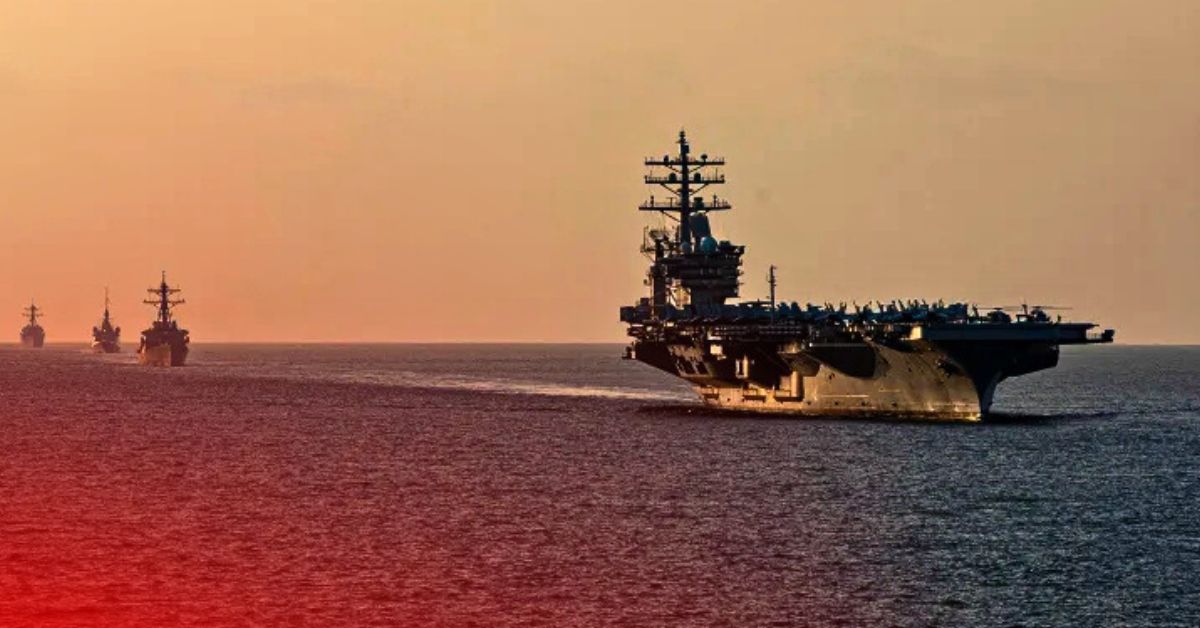
The region around the Strait of Hormuz has seen increasing instability due to political and military tensions:
Iran’s Military Posturing: Iran has repeatedly threatened to block or disrupt the strait in response to US and Western sanctions. Its warnings signal that it could use this strategic chokepoint as leverage in global politics.
Drone Attacks and Sabotage: Ports in nearby countries, such as Dukhum in Oman, have been targeted by drones. While there were no casualties, these incidents highlight the risks faced by commercial shipping in the area.
Retaliation and Regional Clashes: Iran has carried out military actions against US bases and interests across the region, including Bahrain and Kuwait. These retaliatory measures, combined with historical threats to close the strait, make the area highly sensitive.
US Naval Presence: The United States maintains its Fifth Fleet in Bahrain to protect shipping, but the volume of traffic through the strait makes it impossible to guarantee complete security. The risk of accidental conflicts or attacks remains high.
2.3. Historical Context
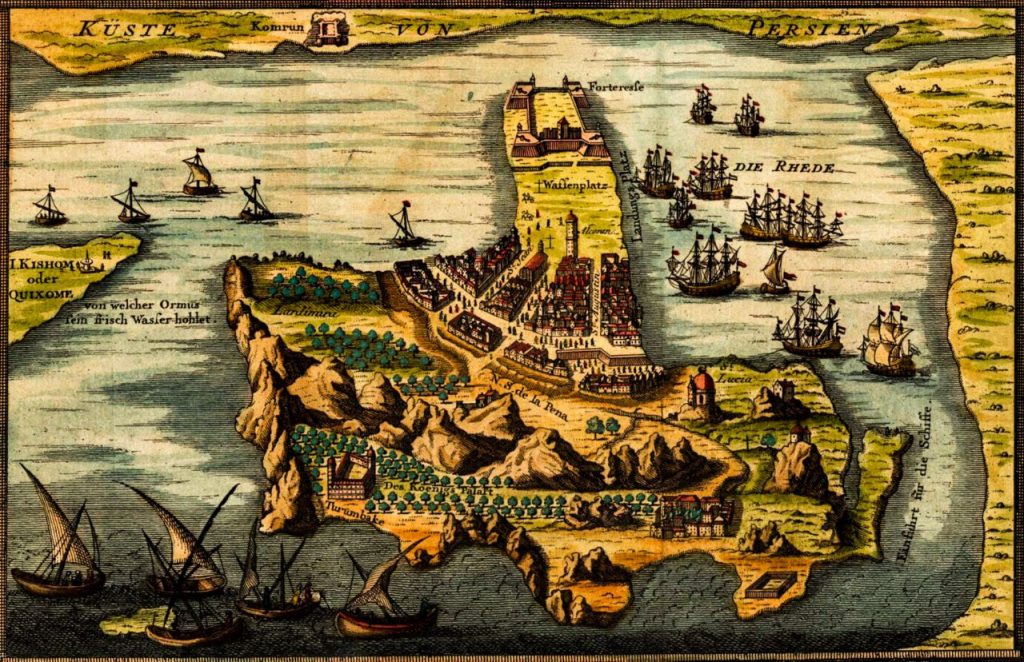
The Strait of Hormuz has long been a point of international tension:
1973 Oil Crisis: Arab producers, led by Saudi Arabia, imposed an oil embargo on Western countries that supported Israel, causing global price shocks.
1980–1988 Iran-Iraq War (Tanker War): Both nations attacked each other’s oil exports, though the strait remained operational.
2012: Iran threatened to close the strait amid nuclear negotiations, signaling its ability to impact global energy markets.
2019–2024: Ships—including Saudi oil tankers—have been attacked or seized near the strait, escalating concerns over maritime security.
These historical episodes show that while the strait has mostly stayed open, the threat of disruption has always existed, making it a strategic vulnerability for the global economy.
2.4. Global Implications
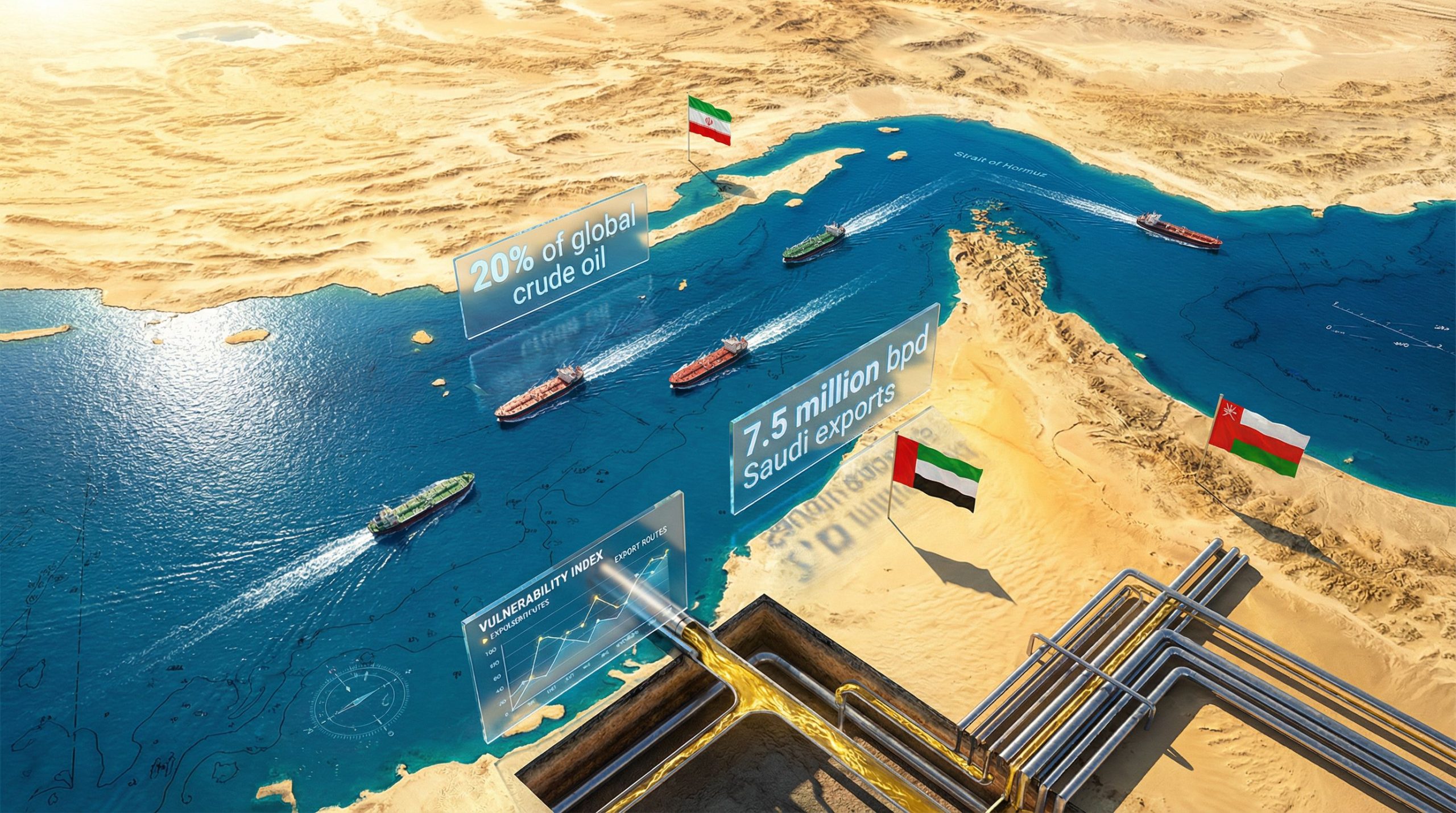
Energy Supply for Asia: Asia is particularly dependent on the strait. Over 80% of its oil and gas imports pass through Hormuz. Countries like India and China face serious energy risks if shipments are delayed or blocked.
Global Oil Prices: Any disruption in the strait can quickly cause a spike in oil prices. Higher fuel costs affect transportation, manufacturing, and the cost of everyday goods worldwide.
Read more: Bangladesh Pharmaceutical Industry; Rising Power or Missed Chance for Bangladesh
Strategic Alternatives: Some countries and companies are preparing alternatives. Saudi Arabia and the UAE have raised oil exports and opened pipelines to bypass Hormuz, while Qatar continues to export nearly all of its LNG through the strait. Efforts to diversify energy sources and build reserves are underway globally to reduce reliance on this single chokepoint.
3. How Hormuz tensions push prices up
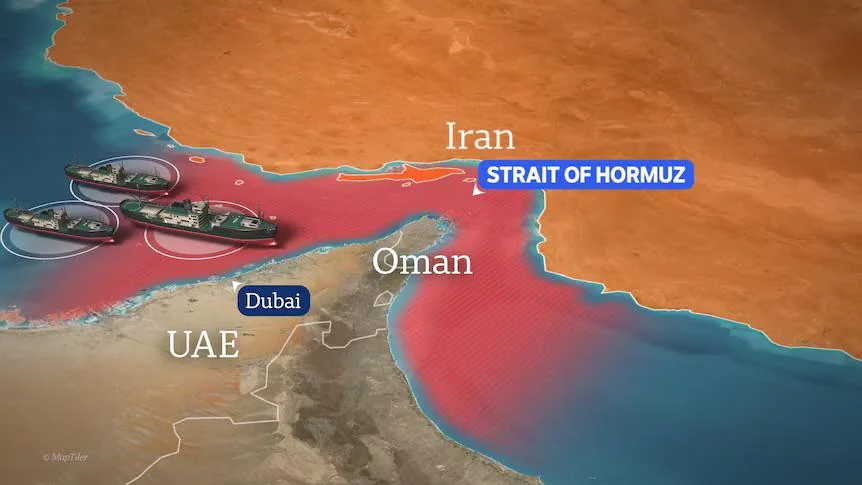
Tensions around the Strait of Hormuz push prices up because they raise the risk of oil and LNG supply disruptions, which sends global energy prices higher and then spills into fuel, transport, and food‑related costs worldwide, including in Bangladesh.
3.1. How it pushes global prices up
The ongoing conflict involving the United States and Israel against Iran has made investors and experts very concerned about the global energy market. The main focus is on the Strait of Hormuz, which is one of the most important routes for transporting oil and gas in the world. This narrow sea route carries a huge portion of global energy supply. So, if anything happens there, like war, attacks, or restrictions it can directly affect oil prices and the global economy.
Current Situation in Oil Market
After news of the conflict, oil prices increased, but not as much as expected.
- Oil prices went up at first, but later became stable
- As of early March 2026, oil prices are around $77–$78 per barrel
- The market still believes that long-term supply may not be seriously disrupted yet
This means that investors are cautious but not panicking. Around 20 million barrels of oil pass through it every day and carries about 20–30% of global oil transported by sea. It is also very important for natural gas exports, especially from Qatar. This means that many countries depend on this route for their energy supply. If it becomes unsafe or blocked, a huge amount of oil and gas will not reach global markets.
So far, oil production facilities in the Middle East have not been heavily damaged. However, the real risk is not production—it is transportation. Even if oil is produced normally:
- Ships may not be able to pass safely
- Insurance for ships is becoming expensive or unavailable
- Some vessels are slowing down or avoiding the route
This situation is sometimes called a “soft closure”. It means the route is not officially closed, but in reality, it becomes difficult or too risky to use. If this continues, global oil supply can decrease, and prices can rise.
3.2. Why This Conflict is More Serious Than Before
Compared to earlier tensions, this situation is more dangerous because:
- The United States is directly involved in military action
- Important Iranian leaders have been killed
- Iran is responding more aggressively, including attacks in the region
- This increases the chances of escalation and makes the situation very unpredictable.
Experts believe oil prices may rise depending on how serious the disruption becomes. A small disruption may increase prices slightly and also a full closure of the Strait for one month could raise prices significantly (up to $10–$15 per barrel or more). If the conflict continues for a long time, prices could rise even higher. However, history shows that if the situation improves quickly, oil prices can fall again.
3.3. Natural Gas and LNG Also at Risk
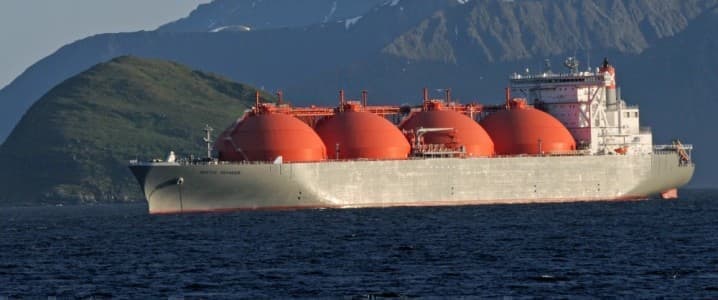
The Strait of Hormuz is not only important for oil. It is also very important for natural gas because about 20% of global LNG (liquefied natural gas) passes through this route and much of this gas comes from Qatar and goes to Asian countries. If this supply is disrupted:
- Gas prices will increase
- Electricity and industrial costs will rise
- Many countries will face energy shortages
One of the biggest problems right now is related to shipping and insurance. Ships need special insurance to travel through risky areas and due to the conflict, insurance costs are rising sharply. Some ships are stopping or delaying their journeys. This means that even without direct attacks, trade is slowing down. Goods, oil, and gas are not moving as smoothly as before.
3.4. Wider Global Economic Impact
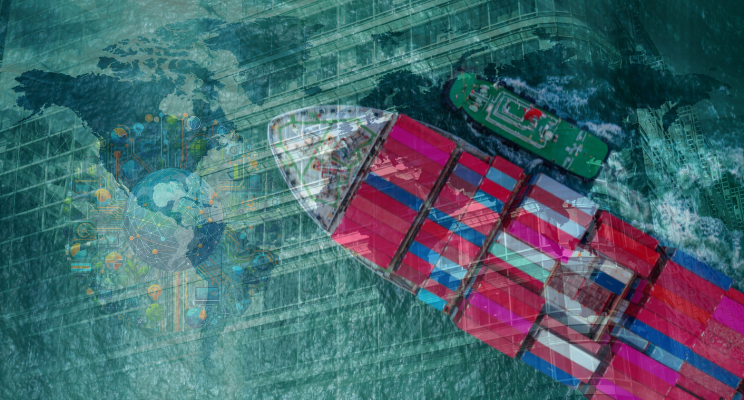
The effects of this conflict are not limited to energy markets. It is affecting the global economy in many ways:
- Fuel prices are increasing
- Transportation and shipping costs are rising
- Air travel routes are being disrupted
- Inflation is increasing in many countries
Investors are also becoming cautious and are moving money to safer assets like gold and strong currencies. Countries that depend heavily on imported energy—especially in Asia and developing regions—will suffer the most. They will face higher import costs, pressure on their currencies, and slower economic growth.
3.5. Impact on Bangladesh
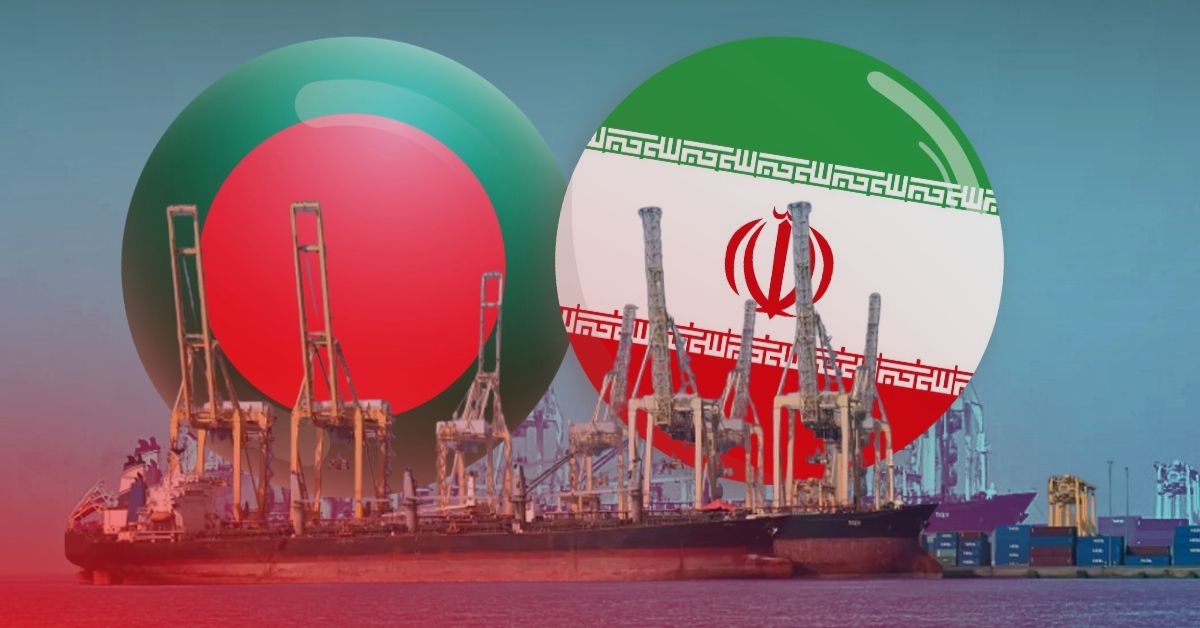
The ongoing war involving the United States and Israel against Iran is now affecting not only the Middle East but also countries like Bangladesh. This conflict has increased global prices of oil and gas and created serious uncertainty about future supply. This is a big concern because the country depends heavily on imported fuel. If global prices keep rising or supply becomes disrupted, Bangladesh could face higher costs, shortages, and pressure on its economy.
Bangladesh relies almost completely on imported energy:
- Nearly 100% of fuel oil is imported
- Crude oil mainly comes from Saudi Arabia and United Arab Emirates
- About 35% of gas demand is met through imported LNG, mostly from the Middle East
Because of this heavy dependence, any problem in the Middle East directly affects Bangladesh. It imports crude oil from the Ras Tanura refinery in Saudi Arabia. Because of this the refinery is now temporarily shut down, also a ship that was supposed to load oil is waiting at the port. Even if the oil is loaded, it must pass through the Strait of Hormuz. But due to war and security risks, it is not certain whether ships can safely pass through. This creates a delay in supply.
3.6. Current Fuel Reserves in Bangladesh
Right now, Bangladesh has some запас of fuel, but it is limited:
- Diesel запас: about 14–15 days
- Petrol: about 17 days
- Octane: about 31 days
- Furnace oil: about almost 2 months
This means there is no immediate crisis, but if imports are delayed, problems can start soon. Gas supply is another big concern- Bangladesh needs more gas than it currently produces, a large portion of gas comes from LNG imports and many LNG shipments come from Qatar through the Strait of Hormuz.
If LNG shipments are delayed, electricity production may decrease, load-shedding may increase, gas pressure in homes may drop. This can affect both industries and daily life.
3.7. Economic Pressure on Bangladesh
The crisis is also increasing financial pressure:
- Oil and gas imports are becoming more expensive
- The US dollar is getting stronger, making imports costlier
- Government subsidies on fuel will increase
This will put pressure on the country’s budget and economy. On the other hand, there is some positive news:
- Bangladesh has enough fertiliser stock for now
- Most imports have already been completed
- New shipments are coming from countries outside the Middle East
So, there is no immediate risk to agriculture.
4. Why Traders in Bangladesh Are Raising Prices Amid the Middle East Conflict
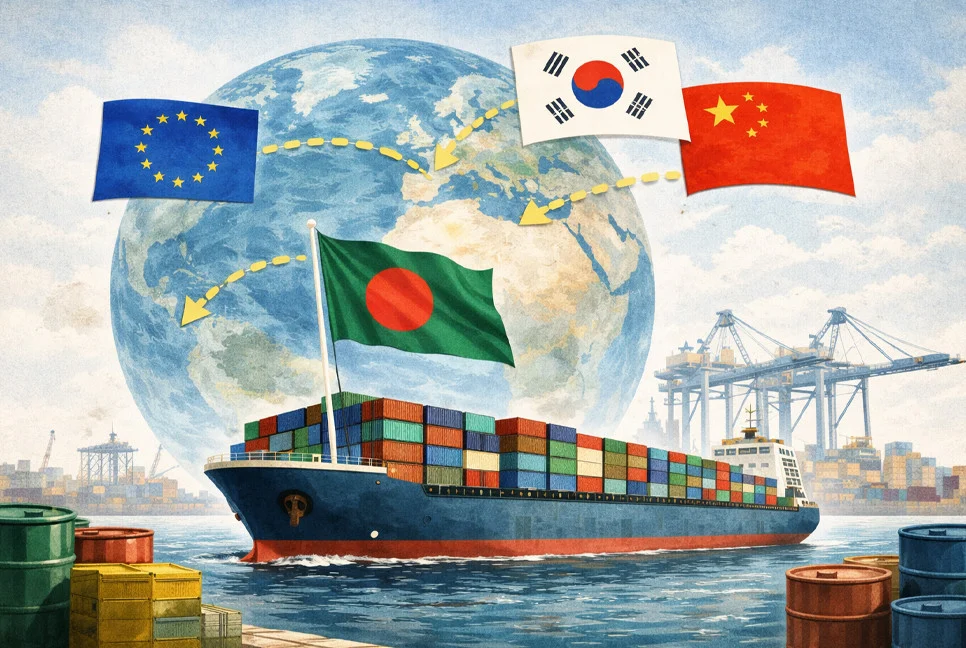
Traders in Bangladesh are increasing prices mainly because their costs have gone up (fuel, transport, imported inputs, and higher wholesale prices) and because they see a chance to earn more profit when the market is under stress.
4.1.Rising International Oil Prices and Their Impact on Local Costs

The global energy market, especially around the Strait of Hormuz, which is a key route for transporting oil and gas. Since a large portion of the world’s fuel passes through this area, any tension there creates fear that supply might be disrupted. Even if the supply has not fully stopped yet, this fear alone affects the market. Traders expect that fuel may become scarce or more expensive in the near future, so they start increasing prices in advance to protect themselves from possible losses.
4.2. Supply Chain Disruptions and Temporary Shortages
At the same time, global oil prices have already started rising because of this conflict. Since Bangladesh depends heavily on imported fuel, higher international prices mean higher costs for bringing fuel into the country. This directly affects transportation, electricity production, and industrial activities. When transport costs increase, it becomes more expensive to carry goods from ports to markets. Businesses also have to spend more to run factories and produce goods. As a result, traders raise the prices of everyday items to adjust to these higher costs.
Another important reason is the disruption in the supply chain. Due to the conflict, some shipping routes are being avoided, flights are cancelled, and goods are getting stuck at ports. This slows down the flow of products into the market and creates temporary shortages. When supply becomes limited but demand remains the same, prices naturally go up. In some cases, traders use this situation to their advantage by holding back products or creating an artificial shortage, which pushes prices even higher.
4.3. Pressure from Foreign Exchange and Import Costs
There is also pressure from the country’s foreign exchange situation. As import costs rise, more US dollars are needed, which creates additional stress on reserves. Traders are aware of this and anticipate that future imports will be even more expensive, so they adjust prices early. Along with these real economic reasons, there are also cases where traders increase prices without strong justification.
According to source, edible oil prices were raised without government approval, and authorities could not find a clear explanation. This shows that some traders are using the crisis as an opportunity to make extra profit, especially when market monitoring is weak.
So, prices are increasing not just because costs are going up, but also because of fear, uncertainty, supply problems, and in some cases, opportunistic behavior by traders.
5. Allegations of Syndicates
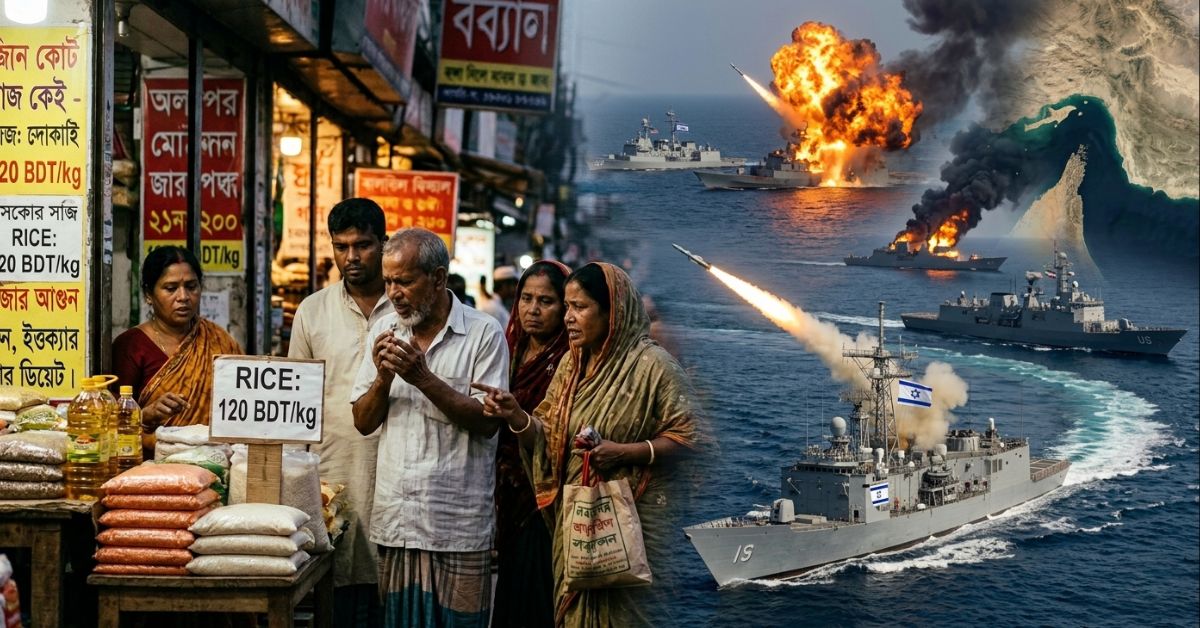
According to recent reporting, in Bangladesh supports the narrative that Strait of Hormuz tensions are being blamed for rising prices and growing market‑syndicate activity, because higher global oil and shipping costs are feeding through into transport, fuel, and food‑related expenses, which some traders and cartels are exploiting for extra profit.[1]
Oil prices have surged past $90 per barrel, with projections potentially reaching $150 if the conflict worsens. Bangladesh, heavily reliant on imported oil, faces higher domestic fuel costs. Transportation, electricity generation, and industrial production are all becoming more expensive, prompting traders to raise prices of consumer goods. The conflict has disrupted the supply of petrochemical products, urea, food items, and industrial raw materials. Over 1,000 containers are stranded in ports like Chattogram and Colombo, slowing deliveries and reducing market availability. Traders increase prices to cover potential losses from these delays.[1]
5.1. Challenges for Exporters and Industries
Small and medium-sized enterprises in Bangladesh face rising production costs due to halted imports, higher shipping fees, and increased insurance premiums. Some exporters risk losses as goods remain stuck at ports, prompting traders to preemptively raise prices to protect profits. Fear and uncertainty exacerbate inflationary pressures, with global food prices also on the rise. Analysts warn that prolonged conflict could intensify economic strain, affecting imports, exports, remittances, and overall consumer costs. [1]
5.2. Israel-Iran Conflict Drives Global Oil Prices Higher [13]
The ongoing conflict between the U.S., Israel, and Iran has pushed crude oil prices above US$100 per barrel. Experts warn that this spike will soon affect food prices globally due to increased transportation costs.
Although only a small portion of Canada’s food imports pass through the Strait of Hormuz, higher oil prices increase shipping and freight costs. University of Toronto supply chain expert Andre Cire estimates Canadians could see grocery prices rise 10–15% by the end of the month.
Supply Chain Delays and Disruptions: Shipping delays caused by halted transit through the Strait of Hormuz are creating ripple effects on the supply chain. University of Guelph economist Mike von Massow noted that, longer shipping times could increase costs and cause delays even for products not directly passing through the Strait.
Impact on Specific Food Products: Short-term price increases are expected for certain items, such as Indian basmati rice, due to backed-up shipments and limited export options. Reuters reports that around 400,000 metric tons of basmati rice are stranded in transit or at Indian ports.
Global Food Security Concerns: India, the largest exporter of aromatic basmati rice, ships more than half its exports to the Middle East. Disruptions in shipping routes and rising container freight costs exacerbate concerns about global food insecurity, especially for staple crops like wheat, rice, maize, and soybeans.
Experts warn that prolonged conflict could cause sustained high oil prices, worsening global inflation. Even if hostilities stop quickly, lingering uncertainty around oil transport and costs could continue to impact consumers worldwide.
5.4. Khulna Edible Oil Prices Spike Ahead of Eid Amid Alleged Artificial Shortages [12]
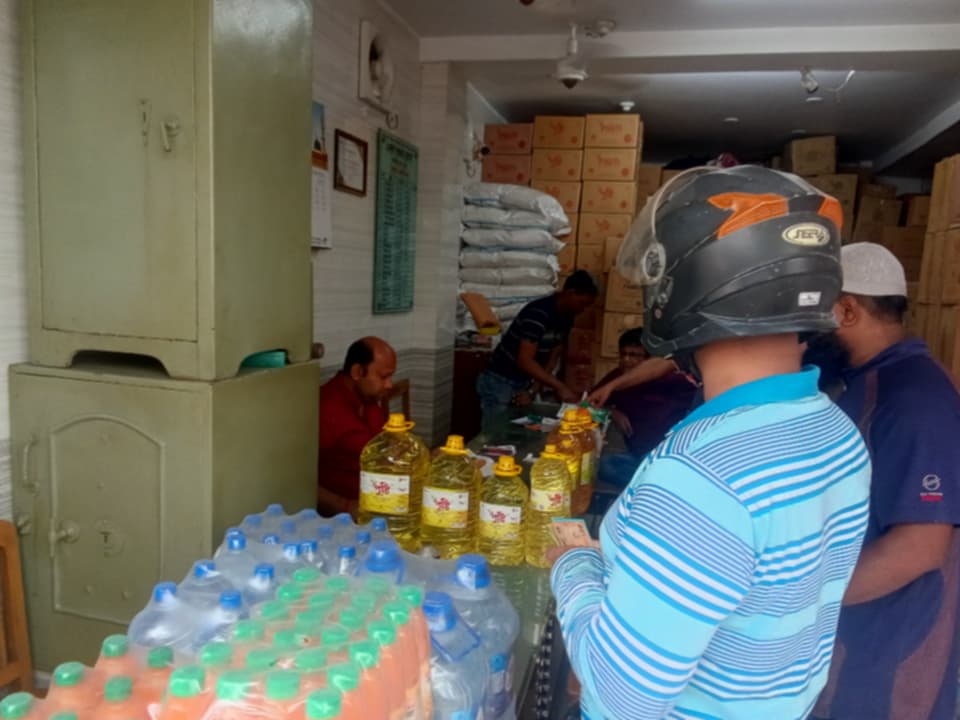
As a example we can see the incident happened in Khulna, the price of edible soybean oil in Khulna has risen sharply despite sufficient supply, causing hardship for consumers ahead of Eid. Bottled oil has increased by Tk 4–5 per litre, while loose oil has risen by about Tk 7 per litre. One litre is now sold at Tk 192 in markets, compared to Tk 115 through the Trading Corporation of Bangladesh (TCB) truck sale programme, prompting long queues for TCB supplies.
Market visits revealed a shortage of one- and two-litre bottles, though five-litre bottles remain available at higher prices. Traders claim the price hikes are due to the ongoing Middle East conflict and raw material shortages, while retailers allege some dealers are creating artificial scarcity to profit.
Officials from importing companies largely declined to comment. Consumer rights advocates and civil society members criticized dishonest traders for exploiting buyers and urged government intervention. The Khulna administration has increased monitoring, including mobile courts and market drives, to enforce price regulations and ensure fair access, especially during Ramadan.
6. How general people are affected

General people in Bangladesh especially low‑ and middle‑income households are being hit hard by rising prices driven by global energy‑market shocks and local syndicate‑driven markups. Their basic standard of living is deteriorating even as wages stay mostly flat.
By analyzing previous situation, the general people is affected by the Israel-Iran conflict and its ripple effects on food and fuel prices in several ways:
1. Higher Fuel and Transportation Costs: Since oil prices have surged globally, fuel for vehicles, public transport, and electricity generation has become more expensive. People spend more on commuting, cooking, and electricity bills, which reduces disposable income.
2. Increased Grocery Prices: Rising oil prices drive up transportation costs for food and goods. As a result, basic items like rice, wheat, edible oils, and other groceries become more expensive. In Canada, experts warn of a 10–15% price rise in groceries; in Bangladesh, similar effects are seen for essential commodities.
3. Shortages and Delays: Shipping disruptions lead to delayed or reduced availability of products. Consumers may face empty shelves, long queues, and limited access to essential items. Some items may even run out temporarily, forcing people to buy substitutes at higher prices.
4. Economic Pressure on Households: As prices rise for fuel, food, and household goods, families face tighter budgets. This affects daily life, reduces savings, and limits spending on non-essential items. Lower-income households are particularly vulnerable.
5. Indirect Effects on Services and Industries: Higher fuel and production costs for industries can lead to increased prices for goods and services across the economy. For example, transportation costs affect shipping, restaurants, and local businesses, indirectly impacting everyday consumers.
7. Conclusion
The ongoing conflict between Israel and Iran has triggered a global economic shock, particularly in energy markets. The Strait of Hormuz, a key transit route for oil, gas, and essential goods, has become highly unstable, causing global oil prices to surge above $90–100 per barrel. This situation has created uncertainty in international trade, disrupted supply chains, and raised the cost of energy worldwide.
Bangladesh, heavily reliant on imported fuel and LNG, is directly affected. Rising global oil prices have increased transportation, industrial, and electricity costs, which feed into higher prices for consumer goods. Supply chain disruptions have also caused delays and shortages, with over 1,000 containers stranded at ports. Traders, facing higher import and operational costs, have raised prices of essential items like edible oils, food products, and industrial materials. Opportunistic behavior by some traders has further amplified price increases, as seen in Khulna, where edible soybean oil prices spiked ahead of Eid despite adequate supply.
The crisis also affects small and medium-sized enterprises, exporters, and industries, as halted imports, rising shipping fees, and higher insurance costs increase production expenses. Global inflationary pressures, along with domestic syndicate-driven price hikes, put additional financial stress on households, particularly low- and middle-income families. Everyday consumers experience higher fuel and grocery costs, limited availability of goods, and reduced purchasing power.
References
1. Prothom Alo
2. Daily Star
3. TBS
4. Wikipedia
5. Reuters
6. Sleepy Classes
7. Janus Henderson
8. Goldman Sachs
9. Stimson
10. Textile Focus
11. Dhaka Tribune
12. BSS
13. Global News