

Overview
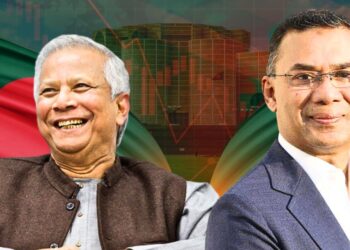
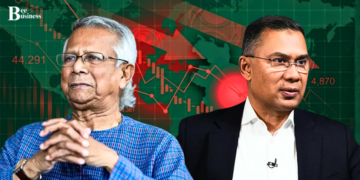
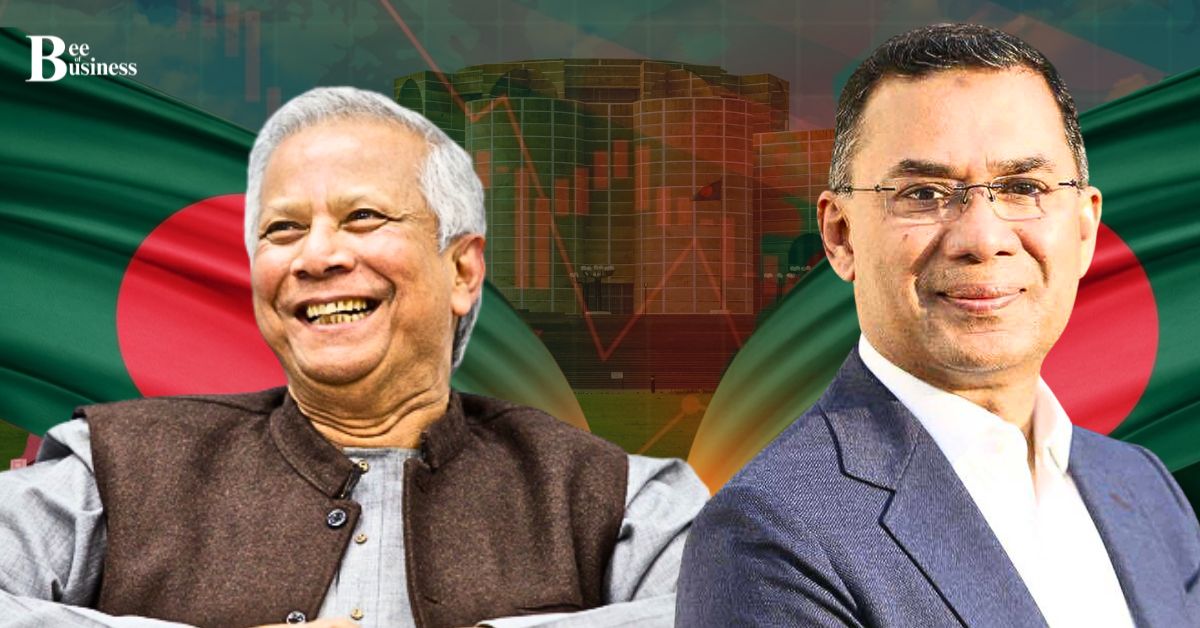
The leadership of Muhammad Yunus and Tarique Rahman represents two different phases of governance in Bangladesh. When Yunus took charge, Bangladesh was going through a difficult period. His focus was on calming the situation, rebuilding trust, and starting important reforms. His steps were careful and long-term, aiming to fix the system from the inside. After that, Tarique Rahman came to power through a strong electoral mandate in a more stable environment. His government focused on quick action, public welfare, and development. Within a short time, he introduced several programs to support citizens, improve administration, and control the market, creating immediate impact.
1. Introduction
Political transition is very important for a country like Bangladesh because it directly affects the economy, stability, and people’s daily lives. When leadership changes, people, businesses, and investors all look closely to see what will happen next. It is not just about a new leader, it is about new decisions, new policies, and a new direction for the country.
Recently, Bangladesh went through a transition from the interim government led by Dr. Muhammad Yunus to an elected leadership under Tarique Rahman. The interim government mainly focused on stabilizing the country, controlling problems, and preparing for a fair election. The elected government has the responsibility to lead the country for the long term and bring development.
2. Developmental Works of Dr. Muhammad Yunus as Interim Government
On 5 August 2024, after a mass uprising, Sheikh Hasina resigned, and the army chief handed her resignation to Mohammed Shahabuddin. The President then started talks with political leaders, students, and civil society to form a new government. Student leaders opposed a military government and suggested Muhammad Yunus as Chief Adviser because he was seen as neutral and trusted. [1]
After discussions, he was appointed to lead the interim government, and the parliament was dissolved on 6 August 2024. Even though the constitution did not clearly allow an interim government, it was accepted as necessary to manage the country during the crisis.[2]
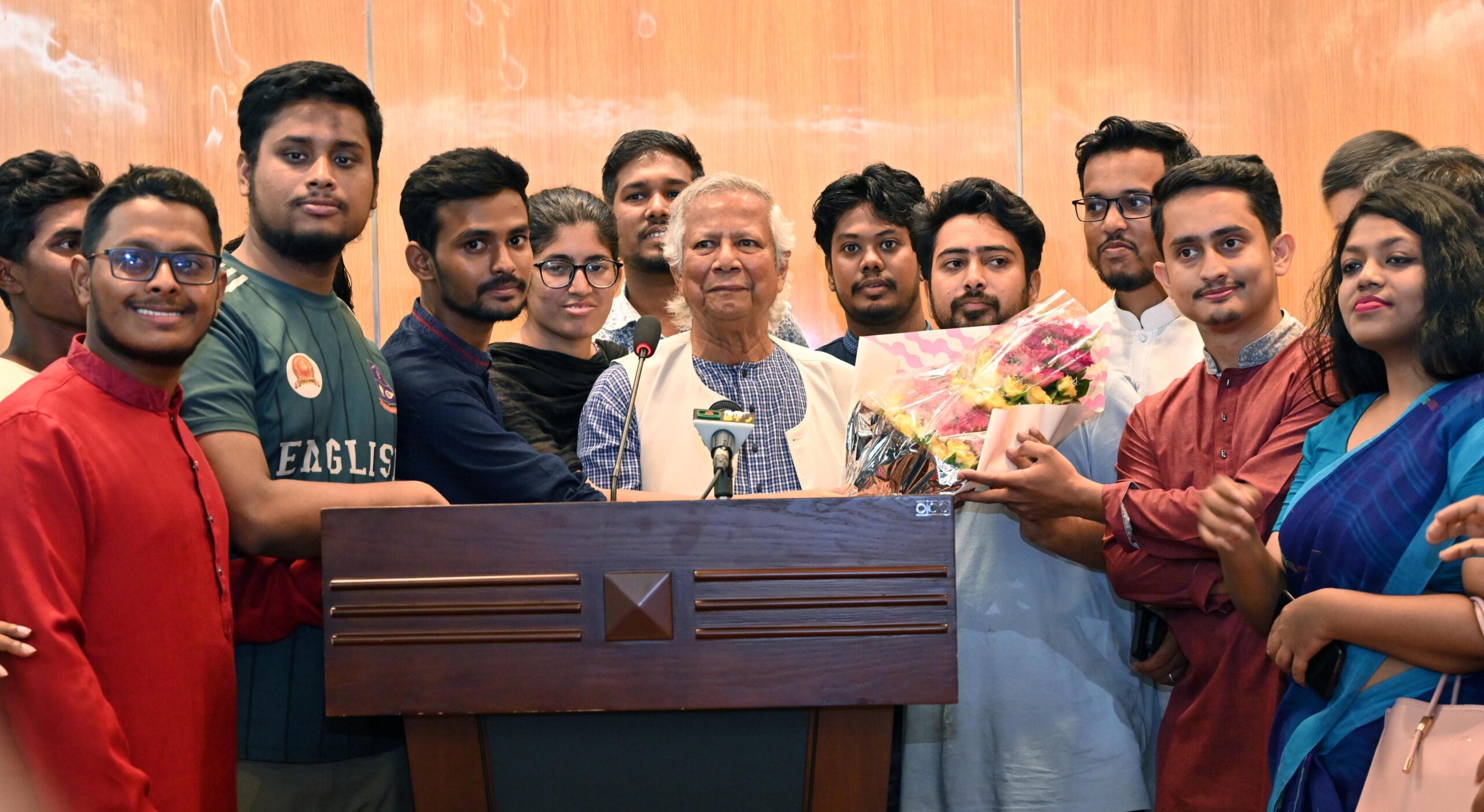
Muhammad Yunus became the Chief Adviser of Bangladesh on 8 August 2024 after Sheikh Hasina resigned and left the country following a mass uprising. The main goal of the interim government is to bring everyone to an agreement and make important changes so that a free and fair election can be held, along with a vote on the July Charter, on 12 February 2026. Although some reforms were started, many problems still remain, especially in politics, the economy, and corruption. According to the Ain o Salish Kendra, the interim government failed to fulfill the public desires following the uprising. [3]
2.1. Major Decisions and Events Under Yunus Leadership
After taking charge, Muhammad Yunus started visiting important places and people, as
On 9 August 2024, he went to Dhaka Medical College Hospital to see the injured. The next day, he visited the family of Abu Sayed and his grave in Rangpur.[4]
On 13 August 2024, he went to Dhakeshwari National Temple, a major Hindu religious place, where he spoke against attacks on minorities.[5]
On 25 August 2024, Yunus gave his first speech to the nation. In this speech, he talked about making big changes in the country, including the constitution, elections, economy, education, health, and human rights. [6]
On 11 September 2024, he announced six commissions to reform important sectors like the election system, police, judiciary, and public administration, and to fight corruption. Before this, during the rule of Sheikh Hasina, there was a violent crackdown during the July uprising. Many people were killed, arrested, or disappeared. Yunus later said around 1,500 people were killed and many others were abducted over 15 years. He promised to investigate these issues.[6]
After Yunus took power, opposition parties demanded quick elections. But adviser Asif Nazrul said the government would stay until reforms were completed. The government also removed the ban on Jamaat-e-Islami.[7]
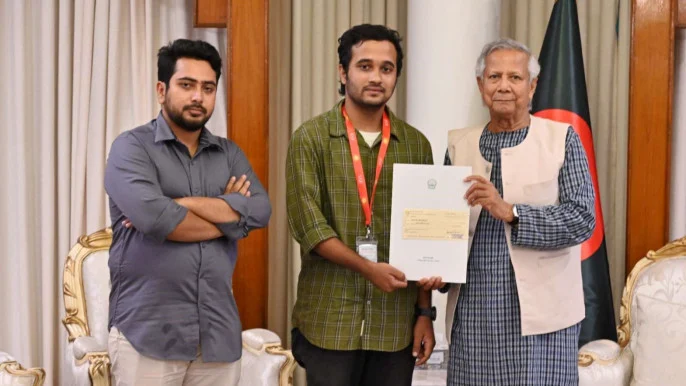
On 17 September 2024, a foundation called July Shaheed Smrity Foundation was created to help victims’ families, with 1 billion taka support.[8]
In February 2025, after violence following the Dhanmondi 32 demolition, the government started “Operation Devil Hunt” and arrested many people.[9]
In April 2025, after protests by groups like Hefazat-e-Islam Bangladesh, the government banned the Awami League under anti-terror laws.[10]
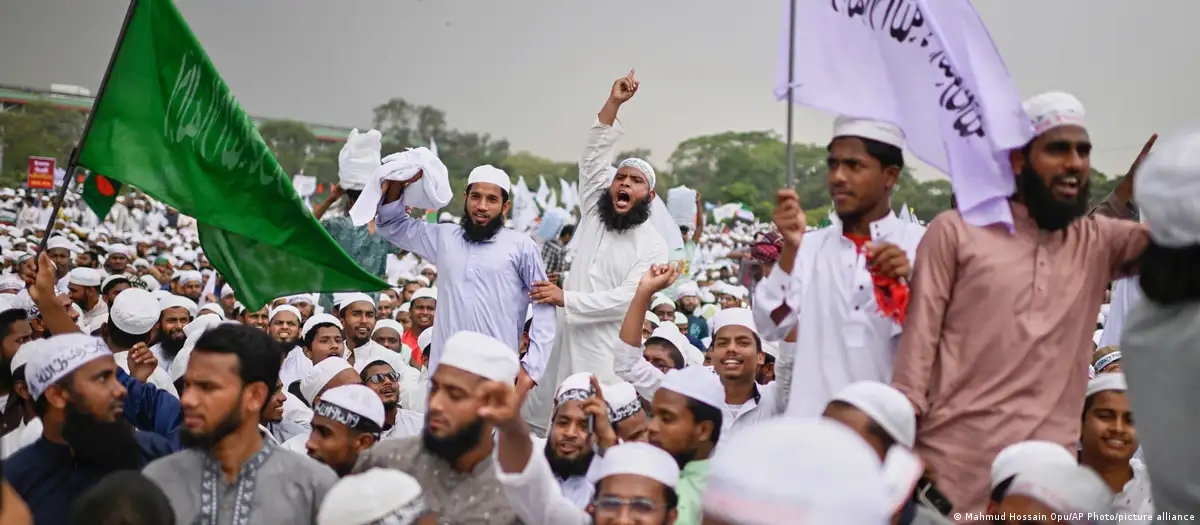
In May 2025, a women’s reform proposal about equal property rights caused protests by Islamist groups. At the same time, government workers and teachers also protested for their rights and salaries. The government also formed a National Consensus Commission to discuss reforms with political parties.[11]
In July 2025, they proposed limiting the Prime Minister’s term to 10 years. Some parties agreed, while others disagreed. There were still disagreements between political parties about reforms, and delays in finalizing the “July Charter.” Experts warned that without agreement, progress could slow down.[12]
In July 2025, students protested after a fighter jet crash in Dhaka, demanding justice and compensation. There were clashes with police.[3]
On 5 August 2025, Yunus said elections might be held in February 2026 before Ramadan.[3]
Later, in October 2025, the government supported cultural programs honoring Lalon Shah in Kumarkhali.[3]
2.2. Yunus Government’s Measures to Stabilize Currency, Banking, and Market
In August 2024, the Yunus administration appointed economist Debapriya Bhattacharya to lead a committee to draft a white paper on Bangladesh’s economy.[13]
On 18 August 2024, the government expanded the inter-bank foreign exchange band from 1% to 2.5% to increase liquidity and allow banks to offer slightly higher rates.[8]
On 29 August 2024, treasury heads of 47 banks agreed to cap the USD exchange rate at Tk120. However, state-owned banks offered higher rates, so private banks followed, and remittances reached Tk122. The government also applied a market-based exchange rate. Reduced under-invoicing, less money laundering, lower use of informal hundi channels, a stronger dollar, and decreased imports led to remittances increasing by 58% to $4.63 billion in August–September 2024.[8]
In September 2024, Bhattacharya stated that all agreements made during the Awami League regime would be “closely examined.” Inflation became a concern and political instability worsened pre-existing inflation, also food inflation reached 14% and general inflation 11%. Inflation briefly stabilized but then started rising again. The general inflation rate reached 10.87% in September 2024, up from 9.92%. [14]
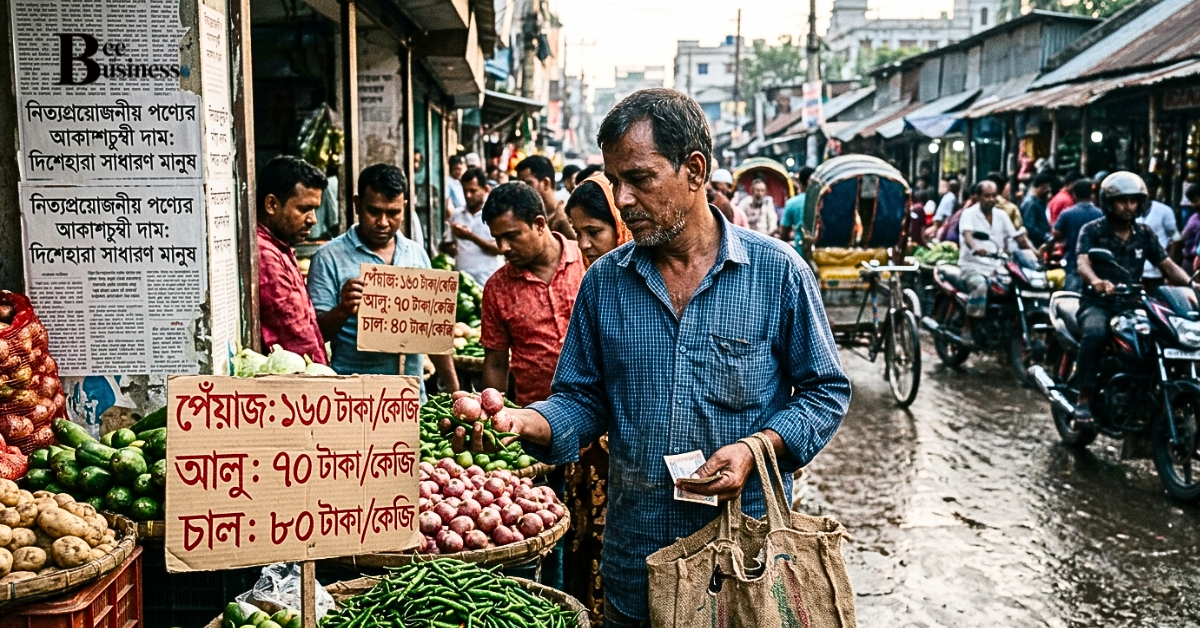
In November 2024, inflation accelerated to 11.38%, the highest in four months. Less important development projects were dropped. Garment industry owners agreed to workers’ 18-point demands, including minimum wages, night allowances, increased tiffin, and monthly attendance bonuses. Transparency International Bangladesh noted “ongoing chaos” in the garment industry. In banking, the Board of Directors of Bangladesh Bank (BB) was reorganized, a new central bank governor was appointed, and several state-owned commercial banks were restructured.[6]
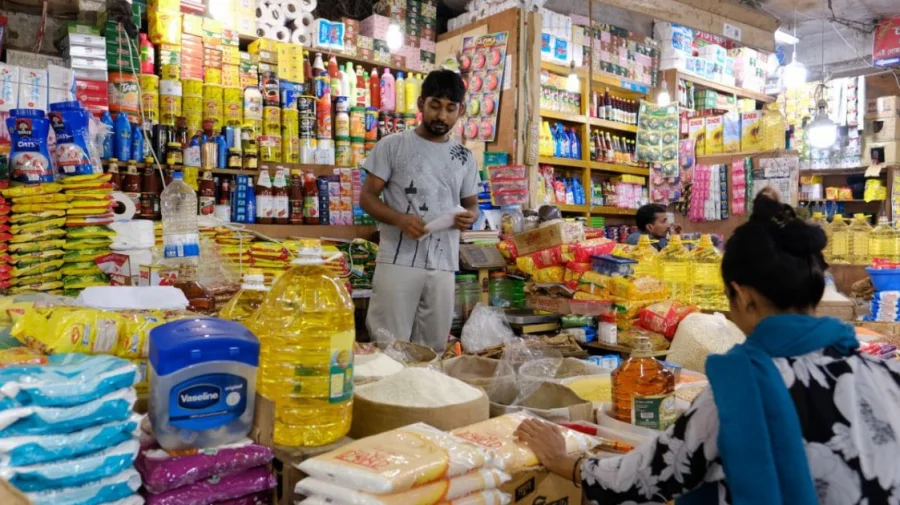
To control inflation, Bangladesh Bank loosened interest rate controls. The Yunus administration set daily commodity prices, removed import duties on food, eliminated LC requirements on essential imports, and allowed unlimited borrowing from banks for importing food and fertilizers.
Tax and Revenue Reforms (2024–2025) [15]
- The government cancelled money “whitening” channels that allowed undeclared assets to be legalized with a 15% tax.
- Two bodies were created: an advisory committee to reform the National Board of Revenue (NBR) and a task force to review the Income Tax Act 2023.
- An online tax return system was launched for 2024–25, and online filing was made mandatory for some occupations.
- Tax exemptions were restored to Grameen Bank and granted to As-Sunnah Foundation.
Stock Market Reforms (2024)[15]
- The Bangladesh Securities and Exchange Commission (BSEC), Dhaka Stock Exchange, and Chittagong Stock Exchange were reorganized.
- Capital gains tax was reduced to 15%.
- Committees were formed to investigate S. Alam and Salman F. Rahman, study falling share prices, and improve the market.
- Transparency International Bangladesh noted failures in revenue collection and that loopholes for black money still existed. The share market remained unstable.
Revenue System Reform (April–May 2025)[14]
- 25 April 2025, The interim government issued an ordinance to restructure the National Board of Revenue (NBR). [16]
- 13 May 2025, NBR and Internal Resources Division (IRD) were dissolved and replaced by two new divisions: Revenue Policy Division (RPD) to monitor tax law implementation and Revenue Management Division (RMD) to collect revenues. Officers protested these changes.
Manufacturing, Jobs, and Investment (2024–2025)[17]
- Between August 2024 and July 2025, 245 factories closed, affecting around 100,000 workers.
- Unemployment remained high, especially among graduates. Many moved to low-paying informal jobs. Experts described the situation as moving from “jobless growth” to a “growthless and jobless economy.”
- Private investment fell from 24% of GDP (June 2024) to 22.48% (June 2025), one of the sharpest drops in 40 years. Public investment was at a ten-year low, with Annual Development Programme implementation at 11.5% between July–November 2024.
Loans, Debt, and Trade (2025)
- By September 2025, defaulted loans reached Tk 6,44,515 crore (35.73% of total loans). Total government debt was Tk 22,50,904 crore, making Bangladesh’s default ratio the highest in the world. [18]
- Bangladesh restricted yarn imports from India, and India responded by restricting jute imports. During the interim government tenure, 3 million more people fell into poverty. [19]
2.3. International and Economic [20]
- In November 2024, International Crisis Group said early signs suggest Bangladesh could avoid a Sri Lanka-style economic crash. Exchange rate reforms improved foreign reserves, inflation had declined from its peak, but serious risks remained. Long-term reforms were considered longer than the interim government’s expected tenure.
- 2 April 2025, The Trump administration imposed a 37% tariff on Bangladesh, second highest in South Asia after Sri Lanka (44%). [20]
- 5 April 2025, Yunus held an emergency meeting with experts and advisers to address the tariff. [21]
- 7 April 2025, Yunus wrote personally to President Donald Trump, requesting a three-month postponement and highlighting steps to reduce the trade deficit. After negotiations, the US reduced tariffs to 20% effective 1 August 2025, which Yunus called a “historic treaty” and “important diplomatic victory.” [22]
2.4. Foreign Diplomacy Under Yunus Interim Government
In August 2024, the Yunus government engaged in talks with ambassadors from countries including Palestine, Italy, China, Russia, Pakistan, Saudi Arabia, India, and others. [8]
Shortly after becoming Chief Adviser, Yunus spoke with authorities in the United Arab Emirates. Following this, President Mohamed bin Zayed Al Nahyan pardoned 57 Bangladeshi expatriates who had been arrested for protesting against the Hasina government.[23]
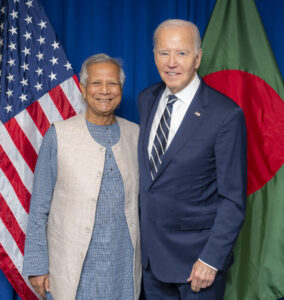
29 August 2024, Yunus signed the International Convention for the Protection of All person from Enforced Disappearance, which was well received by the public and the United Nations. [4]
September 2024, on his official foreign visit to the 79th session of the United Nations General Assembly, Yunus met heads of state from Mauritius, Canada, the United States, Italy, Pakistan, Nepal, Maldives, and the Netherlands. He also held discussions with officials including Volker Türk, Ajay Banga, Kristalina Georgieva, Karim Ahmad Khan, Samantha Power, Noel Quinn, and Dick Durbin. Yunus also met former U.S. President Bill Clinton at a programme. [22] [14] [14] [8]
March 2025
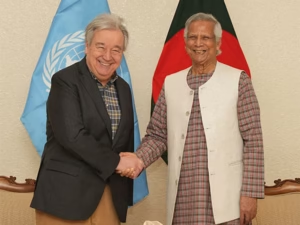
14 March 2025: UN Secretary-General António Guterres visited the Rohingya camps in Ukhiya, Cox’s Bazar. He praised Bangladesh’s humanitarian work and emphasized the need for international support to sustain aid programs. He also expressed solidarity with Bangladesh’s reform and transition process. [9]
Palestine Policy
Following large pro-Palestinian demonstrations over the Gaza war, the Yunus government reinstated a passport directive: “THIS PASSPORT IS VALID FOR ALL COUNTRIES OF THE WORLD EXCEPT ISRAEL”, which had been removed in 2021 by the Hasina government. [24]
Southeast Asia and ASEAN
27–29 August 2024: Yunus met Malaysia’s High Commissioner, Haznah Md Hashim, in Dhaka and revived Bangladesh’s idea to join ASEAN, an economic organization of Southeast Asian countries. [17]
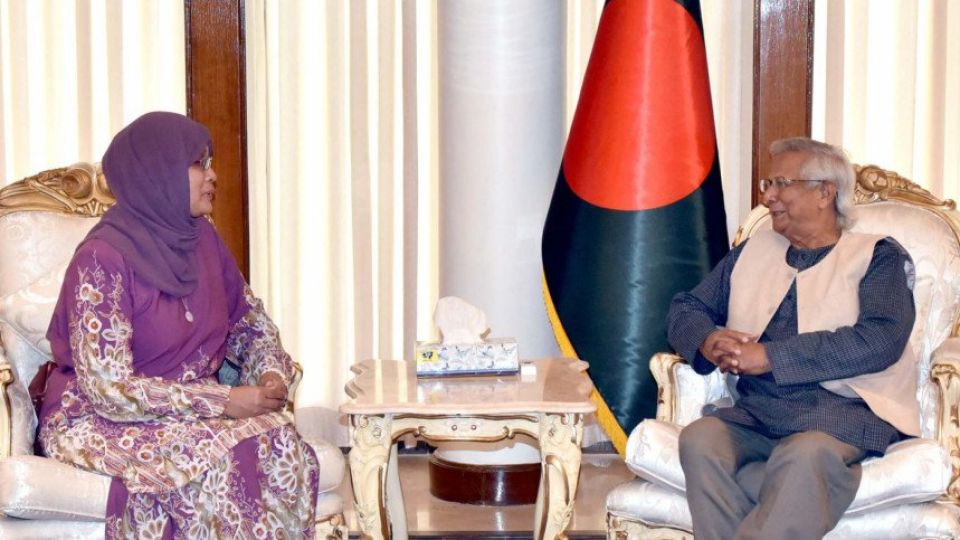
Analysts noted this was a shift from the previous “India-centric foreign policy” under Hasina, aiming to diversify regional partnerships. Yunus emphasized that joining ASEAN is a top foreign policy priority, stating it is “where our future is.”
4 October 2025: Malaysia’s Prime Minister Anwar Ibrahim visited Bangladesh and met Yunus to discuss strengthening bilateral relations.[4]
China
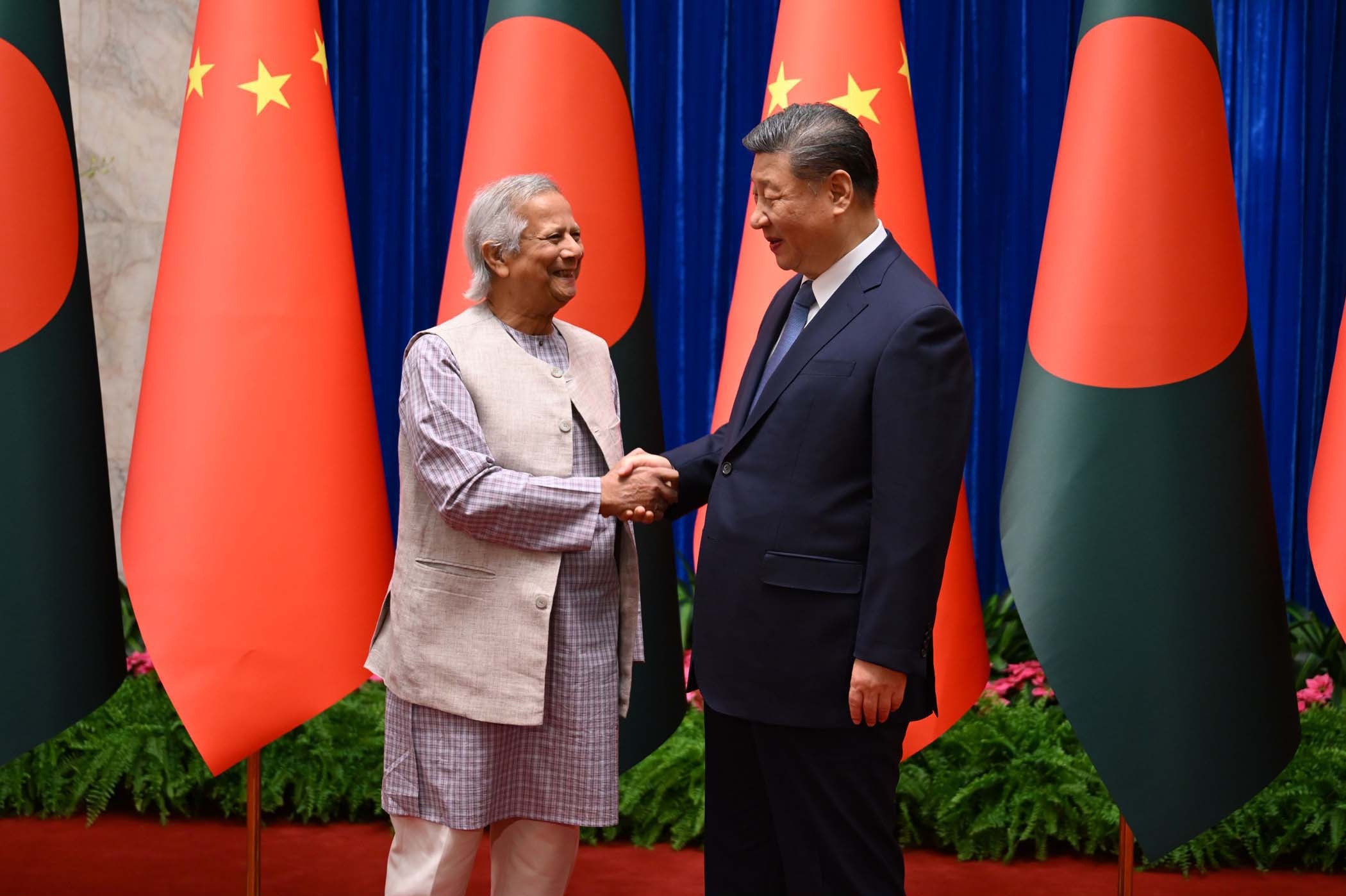
26 March 2025: Yunus visited China for four days. Chinese President Xi Jinping expressed support for Bangladesh’s interim government and pledged to expand economic and technical cooperation. Yunus discussed Chinese investments, Brahmaputra River water management, and the Rohingya crisis. He requested a 50-year master plan for comprehensive river and water management. [25]
After India suspended visas for Bangladeshi nationals, China allocated four hospitals in Kunming for Bangladeshi patients. China Eastern Airlines also planned flights between Chittagong and Kunming. Bangladesh secured $2.1 billion in investments, loans, and grants from China for infrastructure and manufacturing. Agreements were signed for economic and technical cooperation, along with 8 MoUs in literature, cultural heritage, news, media, sports, and health. [14][8]
India
Relations with India worsened under Prime Minister Narendra Modi due to India’s support for Hasina, anti-Hindu violence in Bangladesh, misinformation, Yunus’ stance on Islamist resurgence, detention of Chinmoy Krishna Das, Indian influence, and Yunus’ closeness to China and Pakistan. India portrayed Yunus’ government as a de facto Islamist government. [25][26]
After the revolution, India halted visas for Bangladeshi medical tourists. Bangladesh accused India of causing floods by releasing water from Tripura dams. The Bangladesh Assistant High Commission in Agartala was attacked by far-right Hindu groups. Social media in Bangladesh pressed irredentist claims over India’s eastern and northeastern regions.[27]
1 April 2025: Yunus claimed “guardianship” over the Bay of Bengal during his visit to China, causing sharp condemnation from India. Assam’s Chief Minister demanded India declare an all-out war on Bangladesh.[28]
4 April 2025: Yunus and Modi met at the 6th BIMSTEC summit in Bangkok. They discussed Hasina’s extradition, border killings, Ganges and Teesta water sharing, persecution of Hindus, and provocative statements. Yunus gifted Modi a picture from the 102nd Indian Science Congress in 2015.[29]
Despite tensions, trade with India increased, and the 2026 union budget increased allocations for Bangladesh by 74%. In his farewell speech, Yunus mentioned India’s northeastern “seven sisters” states, Nepal, and Bhutan, causing further strain over perceived Chinese economic influence in the region.[30]
Read More: Evaluating Bangladesh’s Economic Progress: A Year of Dr. Muhammad Yunus’s Leadership
3. First One Month of Tarique Rahman’s Rule
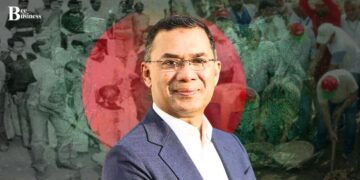
Less than two months after returning from 17 years in self-imposed exile in London, Tarique Rahman, leader of the Bangladesh Nationalist Party (BNP), has won a decisive parliamentary election, securing a two-thirds majority. This victory marks his rise to prime minister, following in the footsteps of his parents, former Prime Minister Khaleda Zia and former President Ziaur Rahman.
After winning the election, Tarique Rahman has been working for the people of the country and their welfare. Within just one month of coming to power, some of his notable development-oriented initiatives include:[31] [32]
3.1. Social Security and Humanitarian Assistance:
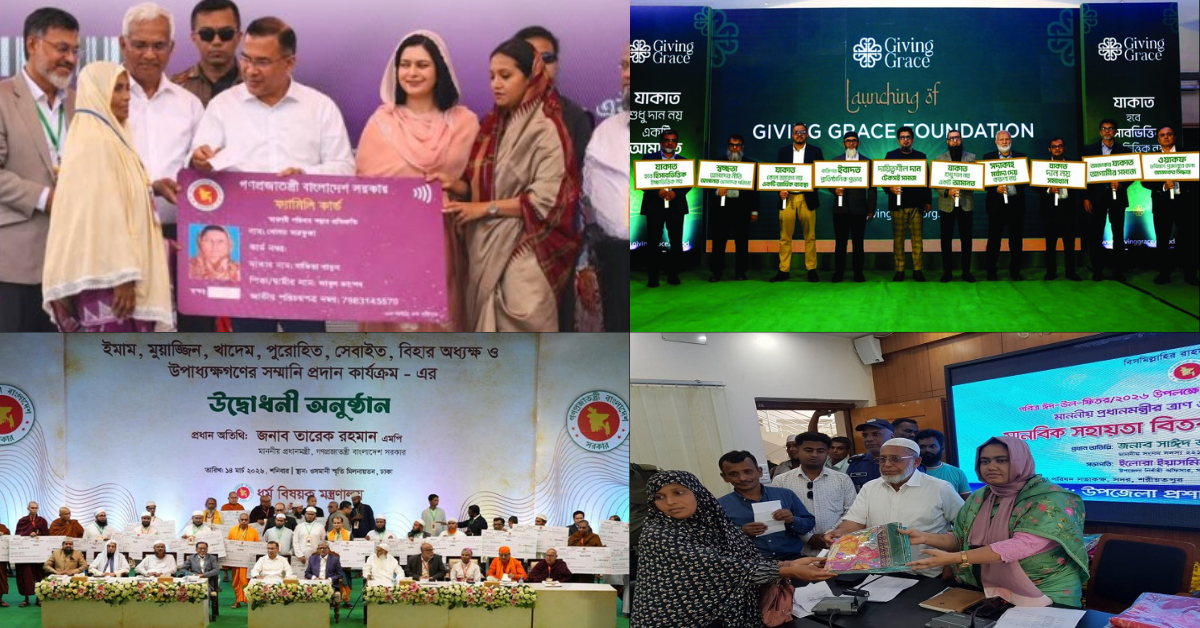
1. Family Card Program – 37,567 families have been provided with family cards, with a monthly assistance of Tk 2,500 per card. Implementation in just 21 days, an example of the government’s humanitarian priorities.
2. Honorarium to Imams, Muazzins and Religious Workers – 4,908 Imams-Muazzins of mosques, 990 priests of temples, 144 Buddhist Vihara principals and 396 pastors and pastors of churches are receiving monthly honorarium.
3. Eid relief and gift distribution – Sarees, three-pieces and Haji handkerchiefs allocated to the helpless and poor of the constituency. Eid gifts for all sanitation workers.
4. Institutional Zakat System – Initiative to introduce an institutional Zakat system in the context of discussions with the Alem Mashaikhs to reach the poor and support welfare activities.
3.2. Agriculture and Rural Economy:
5. Farmer Card and Agricultural Loan Waiver – The much-awaited Farmer Card will be issued to about 27,000 farmers soon, up to a maximum of Tk 10,000 will be waived off for about 1.2 million small and marginal farmers, helping them in their cultivation with new enthusiasm.
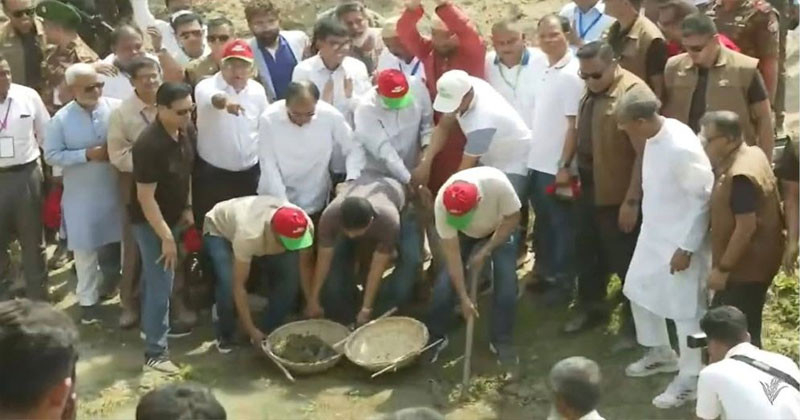
6. Nationwide Canal Digging Program – Digging of 20,000 km of canals and water bodies has already started in 54 districts. Irrigation will improve, waterlogging will reduce, employment will increase.
3.3. Administrative Reforms and Good Governance:
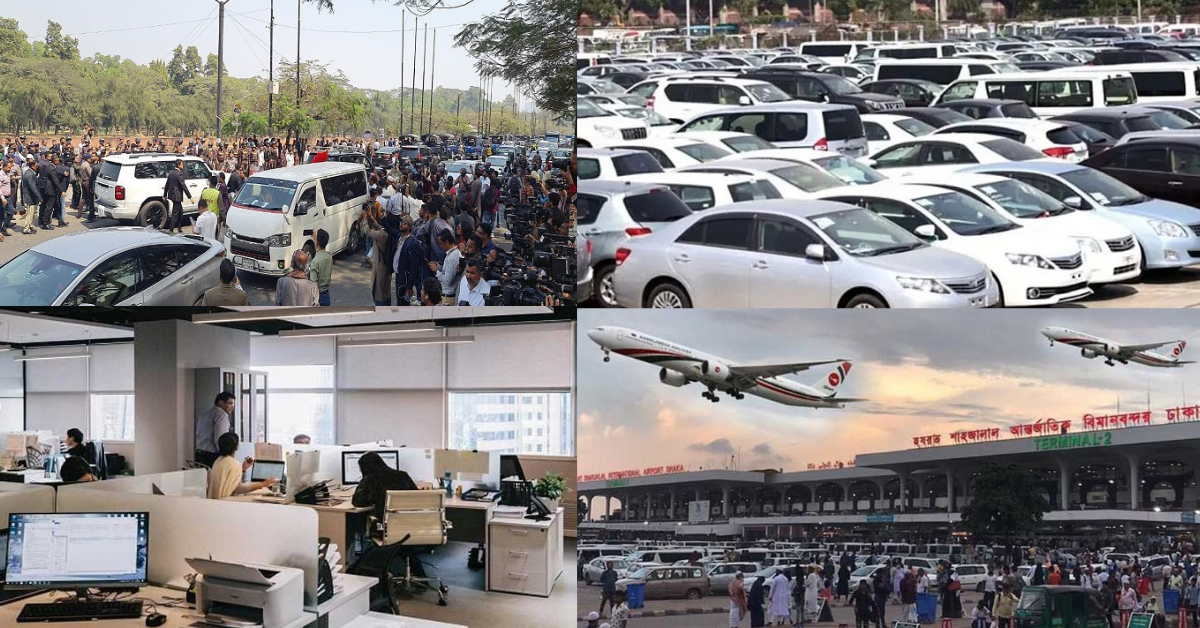
7. Weekly Office and Office Hours – The Prime Minister is also working on Saturdays; attendance of officials by 9 am is mandatory.
8. Reduction of VVIP Protocol – Unprecedented changes in traffic arrangements due to the Prime Minister’s very regular movement, people are also encouraged to follow traffic laws.
9. Limited formalities at the airport – A senior minister, Chief Whip, Cabinet Secretary and Principal Secretary to the Prime Minister will be present.
10. Cancellation of special benefits for MPs – Historic decision not to accept duty-free cars and government plots, which will reduce state expenditure and restore public confidence.
3.4. Economy and market stability:
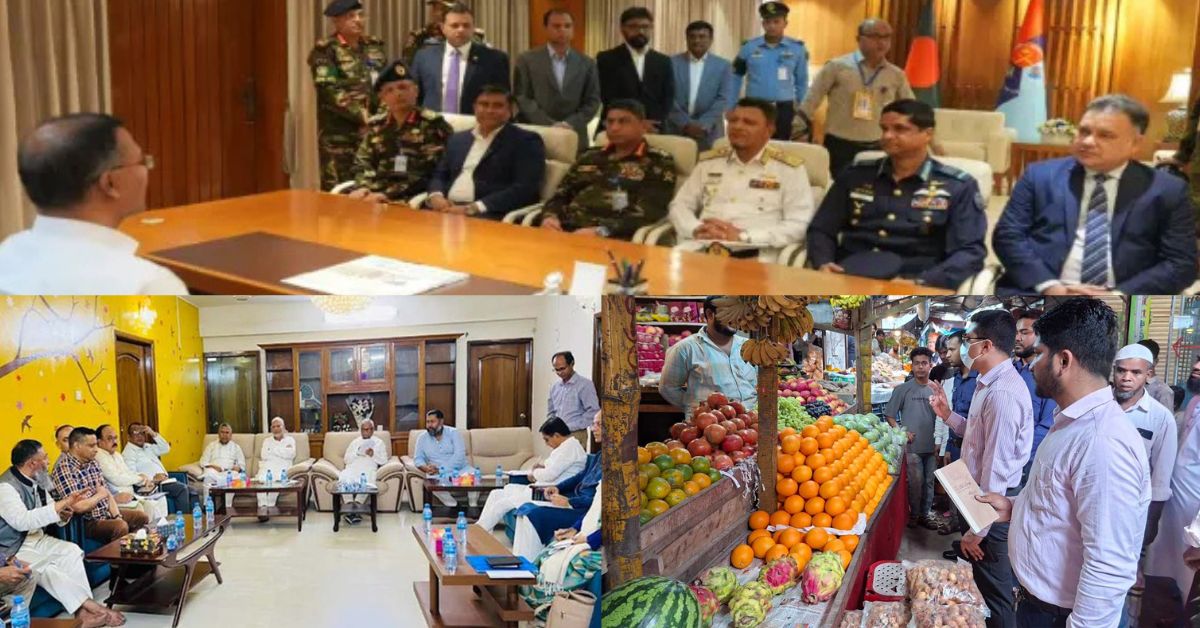
11. Market monitoring and energy stability – Prevent price hikes during Ramadan and Eid, purchase spot LNG to keep power supply running despite global energy instability.
12. Facilitation of foreign investment – Removal of the obligation of prior approval of the central bank for repatriation of foreign investment up to Tk 100 crore.
13. Ensuring salaries and bonuses of workers – Payment of arrears of salaries and Eid bonuses to workers of all industries on time. Allocation of Tk 2,500 crore to export-oriented industries including garments.
14. Reopening of sick and closed industries – Increase employment by gradually reopening closed factories and industries owned by the government.
15. Local entrepreneurship and employment growth – Prepare a list of underutilized economic zones, EPZs, BSCIC areas, high-tech parks and industry clusters and start creating an ecosystem with potential businesses and local universities there.
3.5. Education and human resource development:
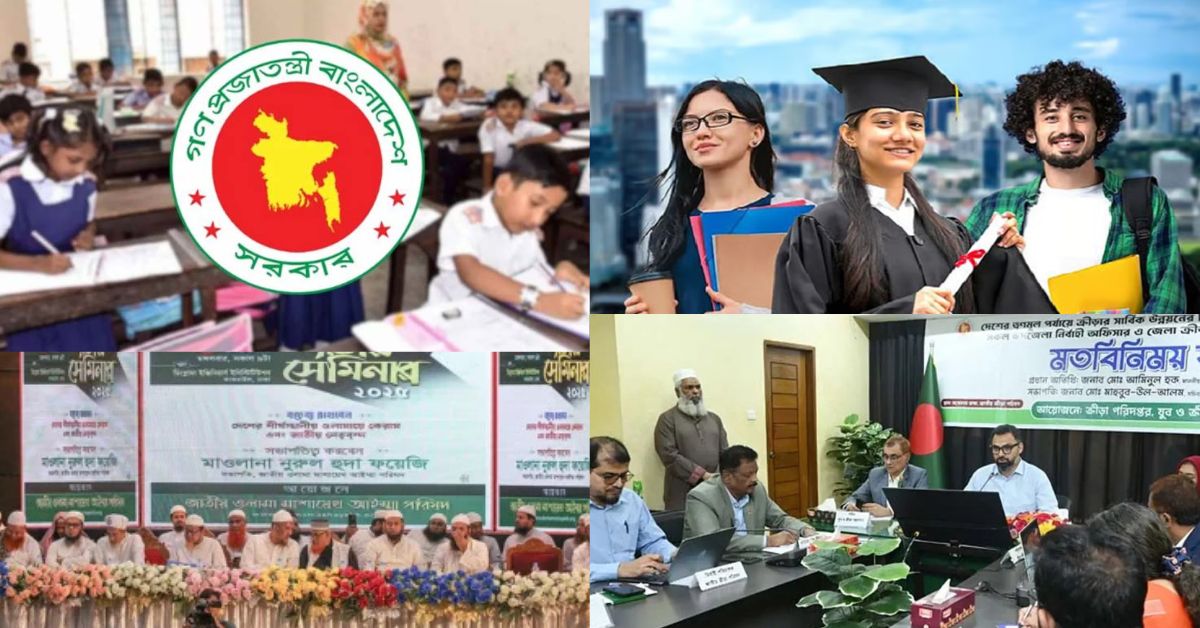
16. Cancellation of re-admission fees and cancellation of lottery – Cancellation of re-admission fees every year; Modern admission test or interview instead of lottery, decision to increase facilities for teachers.
17. Assistance for higher education abroad – Maximum 10 lakh taka unsecured bank guarantee with state financial assistance.
18. Recruitment of religious teachers – Recruitment of 9,000 teachers, strengthening moral and religious values.
19. Sports development and new bud program – Educational institution grounds are open to children and adolescents; New bud culture, sports and Quran recitation initiative; Recruitment of a total of 18 sports teachers, 3 each in 6 sports at the upazila level has started.
3.6. Health and public welfare:
20. E-Health Card and Medical Center – E-Health Card launched to provide healthcare; Recruitment of 1 lakh health workers started, 80% of whom will be women.
21. Dengue Prevention Campaign – Weekly national cleanliness campaign; Activities in coordination with local administration and community.
3.7. Law and Order and Security:
22. Measures against extortion – Intelligence and law enforcement agencies are taking prompt action, maintaining law and order is the highest priority.
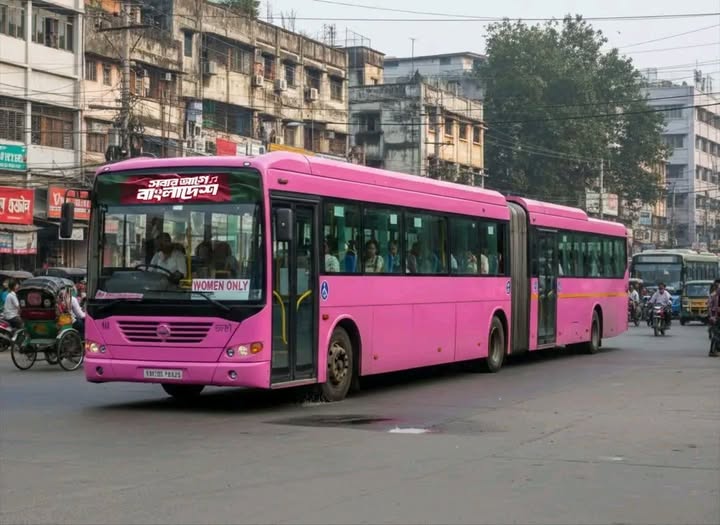
23. Women’s Safety and Pink Bus – Instructions to launch pink buses operated entirely by women; Prevention of cyberbullying.
Read More: The Unstoppable Growth of Esports Companies in 21st Century Gaming
3.8. State discipline and values:
24. Limiting state iftar and saving electricity – Half the fans and ACs in government offices; Iftar limited to prevent waste.
25. Eviction of illegal shops – Eviction of illegal shops after 20 years at Sugandha Sea Beach, Cox’s Bazar and coordinated initiatives across the country.
26. Martyr’s Day – In addition to declaring and observing ‘National Martyr’s Day’ on February 25, importance was attached to a transparent trial of the Peelkhana massacre.
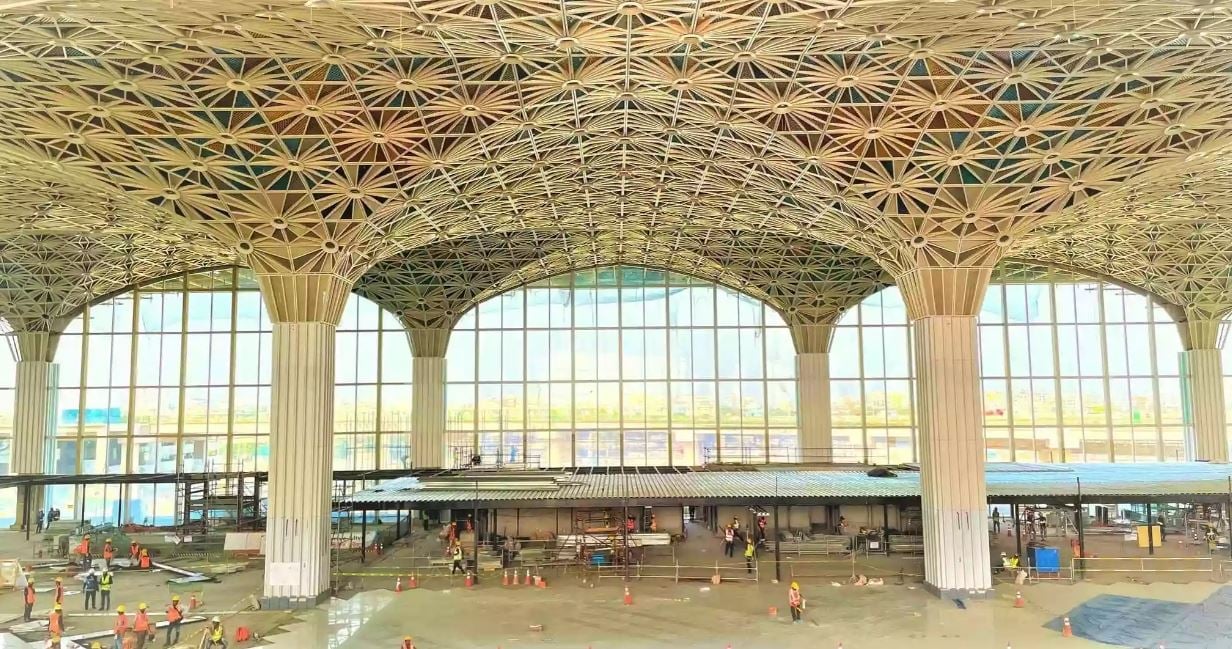
27. Third Terminal of Dhaka’s Shahjalal Airport – Initiative to quickly launch the third terminal through a high-level meeting and by deciding on multilateral discussions and action plans.
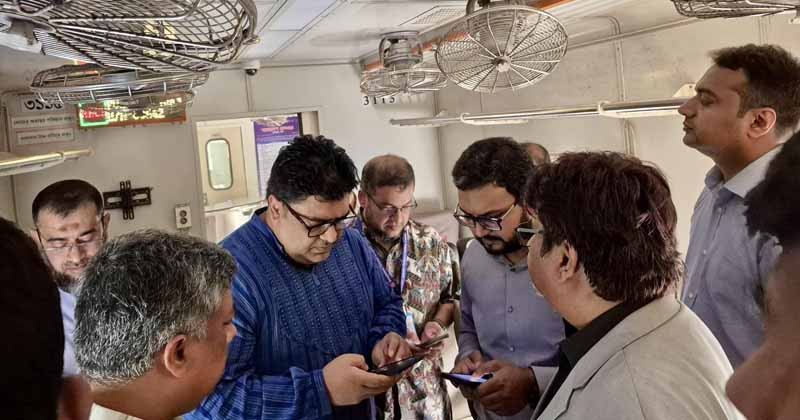
28. Free Internet in Airports and Moving Trains – Instructions to provide free WiFi system like developed countries at Shahjalal, Shah Amanat and MAG Osmani Airports in Dhaka, Chittagong and Sylhet and inauguration at Syedpur Airport.
4. Bangladesh in Transition Analysis of Interim Government and Elected President
The leadership of Muhammad Yunus and Tarique Rahman shows two different styles of running a country. They came to power in different situations, so their work and priorities were also different. Muhammad Yunus took charge when the country was facing political unrest and instability. His main goal was to control the situation, bring stability, and prepare for fair elections. Tarique Rahman came to power after winning an election with strong public support. So, his government started working in a more stable situation and focused on development and public service. By analyzing two government situation works,
Leadership Style: Yunus focused on people’s pain and justice. He visited injured people, victims’ families, and minority communities. His goal was to build trust and bring peace. On the other hand, Tarique Rahman focused on quick action. In a short time, he started many programs to help people. His style is more practical and result-oriented.
Reform vs Quick Action: Yunus tried to change the system. He created commissions to reform elections, police, judiciary, and administration. These are long-term changes, so they take time. But Tarique Rahman focused on quick results. He improved office discipline, reduced extra benefits for officials, and made fast decisions to show immediate progress.
Economic Approach: Yunus worked on stabilizing the economy. He changed exchange rate rules, improved banking, and tried to control the economic crisis. Some things improved, like remittance, but inflation and unemployment stayed high. And Tarique Rahman focused on helping people directly. He gave financial support, helped farmers, controlled market prices, and ensured workers got salaries. These steps gave quick relief, but long-term results are not clear yet.
Public Welfare: Yunus mainly focused on human rights and justice. He worked for victims and minorities and tried to address past problems. Tarique Rahman focused on mass people. His government gave money support, helped religious workers, supported farmers, and improved healthcare. Many people benefited quickly.
Law and Order: During Yunus’s time, law and order was a big challenge because of protests and political tension. But in Tarique Rahman’s time, the situation looks more controlled so far. His government is taking steps against crime and extortion early.
Foreign Relations: Yunus was very active internationally. He met world leaders and worked on global relations, though relations with India became tense. But Tarique Rahman’s foreign policy is still developing, but he is focusing on investment and economic growth.
Public Opinion: If we focus on public opinion, people saw Yunus as a reformer who was trying to fix the system during a crisis. But changes were slow. On the other hand, people see Tarique Rahman as an active leader who is giving quick results. However, it is still early to judge long-term success.
6. Conclusion
In the end, both Muhammad Yunus and Tarique Rahman played important roles, but in very different situations. Yunus worked at a time when the country needed calm, stability, and a fresh start. His focus was on fixing the system, bringing justice, and preparing a better future. His work may not have shown quick results, but it was important for building a strong base.
On the other hand, Tarique Rahman started his journey with people’s support and higher expectations. His government moved quickly to bring visible changes, support citizens, and improve daily life. These fast steps created hope and energy among people.
Simply put, one leader focused on repairing the foundation, while the other is focusing on building on it. Both phases are necessary for a country’s progress. Now, the real challenge is to continue this journey in a way that brings long-term stability, development, and benefits for all people of Bangladesh.
Reference
1.The Week
2.Jade Times
3.Wikipidia
4.BSS
5. The Economic Times
6.Dhaka Tribune
7.AP News
8.TBS
9.The Point
10. Live Mint
11. DW
12. Anandabazar Patrika
13. Jago News24
14. The Daily Star
15.TIB
16. Daily Observer
17. Asia News Network
18. Daily Sun
19. Business Today
20. The White House
21. Somoy News
22. bdnews24
23. Middle East Eye
24. India Today
25. The Times of India
26. The New York Times
27. EFE
28. DH
29. Hindustan Times
30. Daily Ittefaq
31. The Daily Campus
32. Mahdi Amin