

Highlights
- Government plans a Tk 671 crore Public Transport Fund for Dhaka
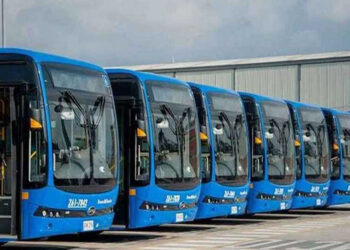
- 400 electric buses will be introduced in the first phase
- The government will take responsibility for fare setting and revenue risk
- Old diesel buses will be scrapped with compensation for owners
- The reform is supported mainly by the World Bank
A Major Reform for Dhaka’s Public Transport
A major structural reform is coming to Dhaka’s troubled public transport system. To stop reckless competition among buses, reduce pollution, and improve safety, the government plans to create a Public Transport Fund (PTF) with support from the World Bank.
The fund will finance the introduction of electric buses and bring discipline to the city’s bus services.
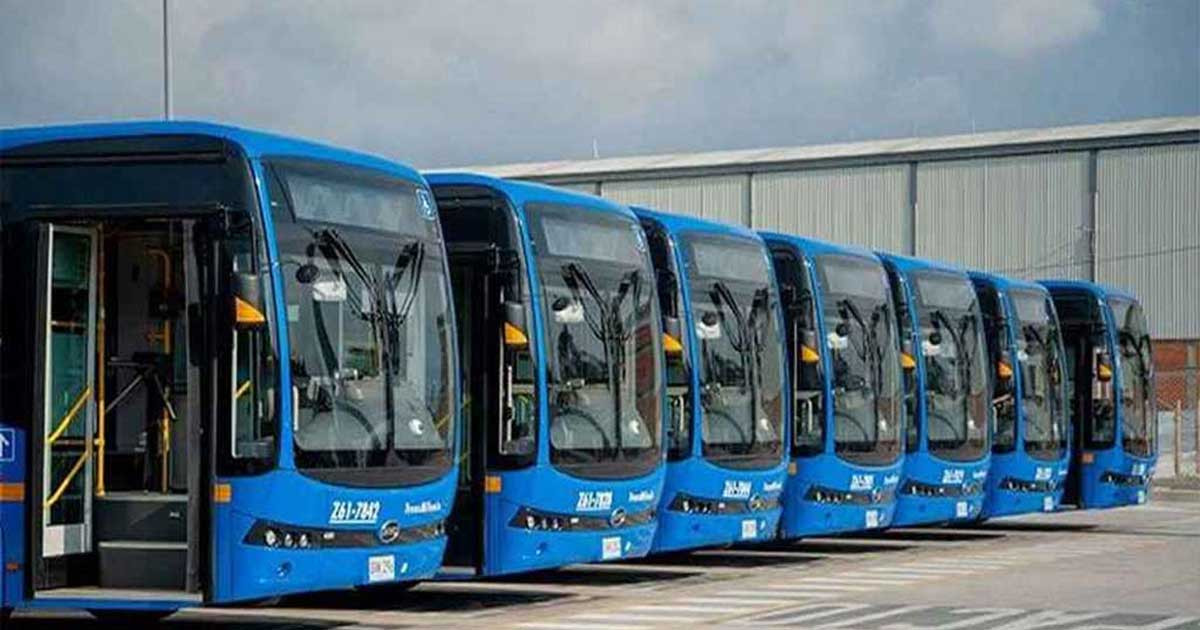
400 Electric Buses Under Clean Air Project
The Dhaka Transport Coordination Authority (DTCA) will form the fund under the Bangladesh Clean Air Project Phase-1.
In the first phase, 400 electric buses will be launched in Dhaka. Later, the initiative will be expanded to other major cities. The plan also aims to protect bus operators from financial instability and ensure minimum service standards.
How the Transport Fund Will Work
According to project documents:
- Tk 427 crore will be allocated as core capital
- An additional Tk 244 crore will be kept as seed capital for long-term sustainability
Under the new system, bus operators will receive a fixed fee.
The government will take responsibility for:
- Fare determination
- Revenue collection
- Passenger demand risks
This model is designed to reduce business uncertainty and stop dangerous competition for passengers.
Read More: Ashiq Chowdhury to Attempt World Record Wearing Helmet Painted with Hadi’s Image
Scrapping Old Buses and Compensation Plan
The government also plans to gradually remove old diesel buses from the roads. Bus owners will receive compensation to shift into the new system.
For this purpose, Tk 85.40 crore has been allocated as compensation.
A senior DTCA official, speaking anonymously, said the goal is to reduce greenhouse gas emissions and finally implement long-pending transport reforms.
He added:
“The proposal was prepared with the consent of state-run operators. Private operators also want regulation in the sector and the replacement of old buses with electric ones.”
Expert Opinion: Challenges Ahead
Transport expert and Md. Hadiuzzaman, a professor at BUET, said many transport reforms failed in the past due to political sensitivity and disorder in the sector.
He warned that success will depend on how influential private-sector leaders accept and cooperate during implementation.
World Bank-Funded Modernisation Plan
Under project documents:
- The Dhaka Bus Modernisation Program will cost Tk 1,213.40 crore
- The World Bank will provide Tk 1,183.40 crore as loans
- The government will contribute Tk 30 crore
The wider transport reform package will cost Tk 2,481.97 crore, with Tk 2,135 crore coming from the World Bank.
The proposal has already been submitted to the Planning Commission for approval.
Route Rationalisation and New Operating Model
Under the Bus Route Rationalisation Plan, the 400 electric buses will operate under a Gross Cost Contract model.
Franchise operators will run the buses, while DTCA and the PTF will control fares and revenue.
A state-owned company named AssetCo will own and maintain the buses, including battery replacement and warranties—separating ownership from operations to ensure accountability.
Depots, Charging Stations, and Power Infrastructure
Three electric bus depots will be developed on government land. Possible locations include:
- Kanchpur
- Gabtoli
- Kalyanpur
- Purbachal
- Joar Sahara
Depot development is estimated to cost Tk 748.59 crore, mostly funded by World Bank loans.
Smart Transport and Digital Services
An Intelligent Transport System (ITS) worth Tk 170.28 crore will be introduced. It will include:
- Real-time bus tracking
- Automated fare collection
- Passenger information displays
- Operations control and data centres
- A mobile app
Through the app, passengers can check schedules, buy tickets, track trips, submit feedback, and report harassment or safety issues.
Capacity Building and Institutional Reform
A Tk 138 crore capacity-building program will address institutional weaknesses. Most of the funding will come from IDA.
Consultants will help DTCA with service planning, contract management, and performance monitoring. Legal reforms will improve coordination among agencies.
Drivers and conductors will receive training on road safety, fuel efficiency, and prevention of sexual harassment. Special incentives will be introduced to increase women’s participation in bus operations.
Why Dhaka Needs This Reform
Project documents highlight Dhaka’s severe transport and air quality crisis. In 2020, PM2.5 levels reached 85 micrograms per cubic metre, far above global standards.
About 25% of pollution comes from old, unfit fossil-fuel vehicles. Poor public transport causes traffic congestion, wasting 8.2 million workhours daily.
The current route-licence system encourages reckless competition, poor maintenance, and overcrowding on profitable routes, while many areas lack service altogether.
Weak monitoring, daily rental contracts, and sub-contracting push drivers to prioritise quick cash over safety. Combined with pollution and congestion, this has made Dhaka one of the world’s least liveable cities—especially unsafe for women and vulnerable groups.
Source: TBS