

Bangladesh is currently facing a heated debate over fuel supply. While the government claims there is no real crisis, reports suggest oil syndicates, global conflicts, and panic buying are creating serious pressure on the fuel market. The issue became more controversial after a statement in parliament triggered protests.
1. Parliament Statement Sparks Controversy
During a recent parliament session, State Minister for Foreign Affairs Shama Obaed Islam stated:
“জ্বালানির কোনো সংকট বর্তমানে বাংলাদেশে নেই।”
Translation: There is no fuel crisis in Bangladesh at the moment.)
This statement immediately caused strong reactions from opposition MPs, leading to loud protests inside the parliament. The situation later calmed down after intervention from the Deputy Speaker. According to reports, she also emphasized that Bangladesh has enough reserves and is working to ensure supply stability. [1]
2. Is this just “Hormuz Excuse”?
Bangladesh depends heavily on imported oil and gas, most of which comes from the Middle East via the Strait of Hormuz in the Persian Gulf. This narrow sea route carries about 20% of the world’s oil and about 20% of LNG shipments. [2]
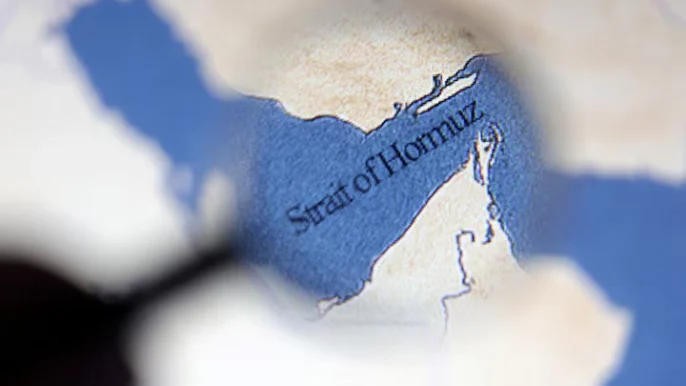
The Strait of Hormuz is a critical chokepoint for 20% of the world’s oil and LNG. Since Bangladesh imports 95% of its fuel, with 90% of it passing through this narrow strait, any minor conflict in the Middle East is used as a “green light” for local distributors to hoard stocks. [4]
Read More: Hormuz Strait closure drives sharp rise in watermelon prices
3. The 4.8 billion Dollar Burden
The financial scale of this crisis is staggering. According to a 2026 report by the international research firm Zero Carbon Analytics (ZCA):
- Bangladesh’s annual energy import cost is projected to rise by $4.8 billion (approx. 480 crore USD).
- This represents a 40% increase compared to 2025.
Government officials including Shama Obaed argue that the short‑term fuel stock is enough to meet current demand. The Bangladesh Petroleum Corporation (BPC) has said the country has fuel to cover about 15 days of normal consumption, even if Hormuz is blocked for a short time. They admit that the Middle East war and the risk to Hormuz have increased costs, but they also warn that local hoarding and oil syndicate activities are creating what they call an “artificial crisis” on the ground. [3]
4. Oil Syndicate Growth: Using Global Crisis as a Shield
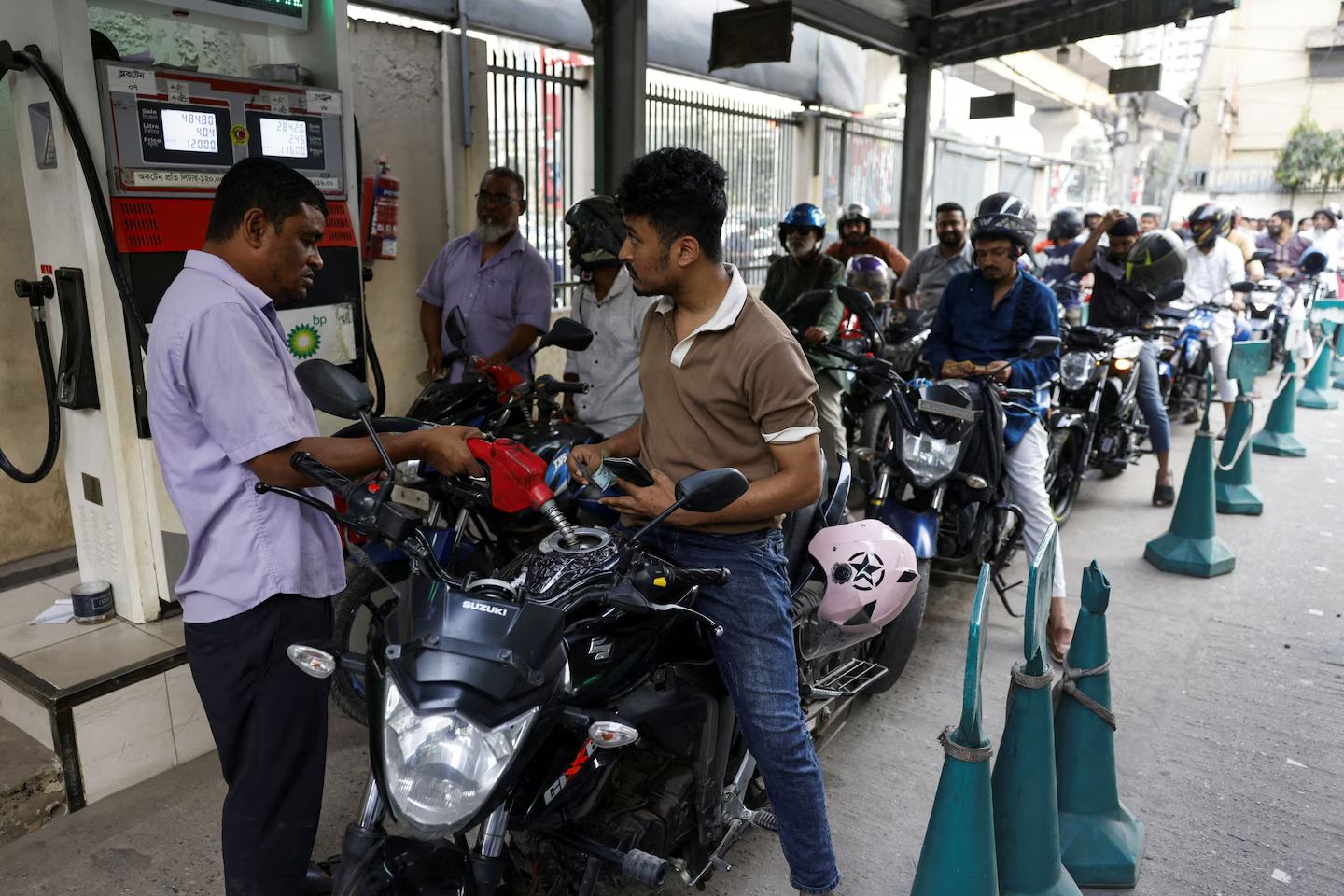
Experts and reports suggest that local syndicates are taking advantage of global uncertainty. They:
- Hoard fuel to create artificial scarcity
- Sell at higher prices in the black market
- Increase panic among consumers
So, while the government says, “no crisis,” the public experiences something very different — a controlled shortage driven by oil syndicates.
5. Conclusion
The mismatch between Shama Obaed’s “no crisis” statement vs Oil Syndicate and also the $4.8 billion cost surge suggests that the public is being left to fend for itself. As long as the supply chain remains in the hands of a few, global conflicts like those in the Strait of Hormuz will continue to be a tool for local exploitation. For the low-income and middle-class families of Bangladesh, these economic games are a matter of survival.
Global issues like the Hormuz route risks and Middle East war clearly raise costs and worry. Yet, there is strong evidence that these are being amplified by local oil syndicates, who use the chaos to create artificial shortages for profit. For the country’s economy and poor households, reducing this syndicate power may be as important as any diplomatic effort to secure fuel from abroad. The fuel issue in Bangladesh is no longer just about supply — it is about control, transparency, and accountability. Until the gaps are addressed, the debate will continue, both inside parliament and on the streets.
References: