

Highlights
- Salahuddin Ahmed accuses political rivals of “selling religious tablets” instead of offering real policies
- Criticizes one-party tendencies and past election irregularities
- Urges student activists to communicate BNP’s future plans clearly
- Jamaat Ameer counters by saying some parties use religion, but they do not
- Reaffirms BNP’s role in restoring democracy and defending multiparty politics
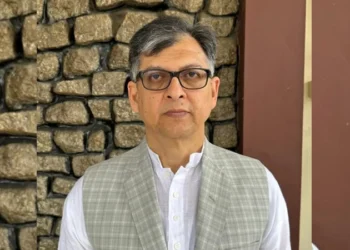
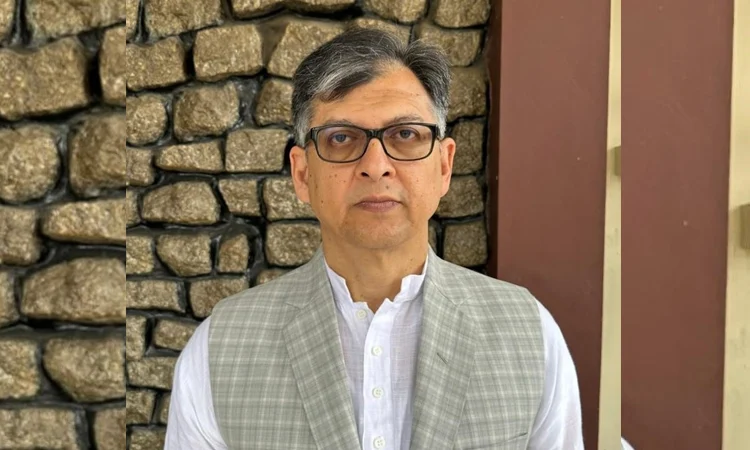
At a discussion titled “Planning to Build Bangladesh” held on Monday (8 December) at the Krishibid Institute Auditorium in Farmgate, BNP Standing Committee member Salahuddin Ahmed launched a sharp critique at what he called “religion merchants.”
He argued that a group of political actors had resorted to using religion as their only selling point, offering promises of heaven while ignoring the practical realities of people’s lives.
তারা কেবল বলছে—এই মার্কায় ভোট দিলে জান্নাত যাবেন। কিন্তু ইহকালে কিভাবে চলবে তার কোনো বক্তব্য নাই। যেই দলের কোনো নীতি-আদর্শ, পরিকল্পনা নেই- শুধু ধর্মের নামে ট্যাবলেট বিক্রি করে জনগণের সাথে প্রতারণা করছে। তাদেরকে মানুষ চিনেছে, তাদের মুখোশ উন্মোচিত হয়েছে।
Translation: “They keep saying: if you vote for this symbol, you will go to heaven. Yet they never say how people will survive in this world. A party with no principles, no ideology, no plan—only selling religious tablets in the name of faith and deceiving the public. People have recognized them. Their mask has fallen.”
He went further, questioning the credibility of those who claim effortless spiritual rewards through politics:
যারা বিনা কষ্টে জান্নাতে যেতে চাচ্ছেন, তার বাস স্টেশন কোথায়?
Translation: “Those who want to go to heaven without any struggle, where is the bus station for that journey?”
The hall responded with murmurs of approval, reflecting the growing frustration within the BNP rank-and-file. Salahuddin outlined what he called a dangerous shift towards one-party dominance. He accused former Prime Minister Sheikh Hasina of dismantling democratic structures.
শেখ হাসিনা একদলীয় শাসনব্যবস্থা কায়েম করলো। মুখোশ গণতন্ত্রের কিন্তু তাদের ভেতরে ছিল বাকশাল। তত্ত্বাবধায়ক সরকার বিলুপ্ত করলেন। ১৪, ১৮, ২৪ সালে অগণতান্ত্রিক শাসন পৃথিবীর ইতিহাসে জঘন্য একদলীয়, ফ্যাসিবাদী শাসনব্যবস্থা।
Translation: “Sheikh Hasina has established a one-party rule—a democracy on the face, but Bakshal on the inside. She abolished the caretaker system. The elections of 2014, 2018, and 2024 are some of the worst examples of one-party fascistic governance in world history.”
He argued that BNP, despite being in the opposition for years, remains committed to democratic accountability:
‘বিএনপি দেশের মানুষের কাছে সমর্থন চাইছে, ভোট চাইছে। জনগণ আমাদের কাছে কী চায় তা দিতে হবে। আমরা তো কেবল ধর্মের একটা ট্যাবলেট বিক্রি করতে চাই না। আমরা চাই জনগণের কল্যাণ- অর্থনৈতিক মুক্তি চাই।’
Translation: “BNP is seeking the people’s support. We want votes. The people have demands, and we must meet them. We do not want to sell religious tablets. We want public welfare and economic freedom.”
In a parallel discussion, Jamaat-e-Islami’s Ameer issued a contrasting statement, indirectly responding to the accusations floating in political circles.
He remarked:
যারা নির্বাচন এলে তাসবিহ জপে, তারা ধর্ম ব্যবহার করে: আমরা ধর্মকে ব্যবহার করিনা।
Translation: “Those who start reciting Tasbih as soon as elections approach, they use religion. We do not use religion for political gain.”
This comment added another layer to the ongoing debate over which political groups truly mix religion with politics, and to what extent.
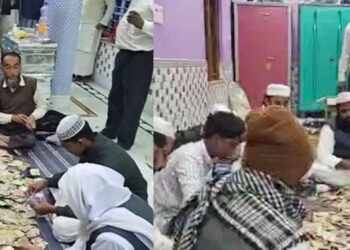
Read More: Massive Donations Begin for Babri Masjid Construction at Suspended in Murshidabad
He Reminds BNP’s Historical Legacy
Salahuddin used the platform to remind supporters of BNP’s contributions to Bangladesh’s democratic evolution.
গণতন্ত্রের অপর নাম বিএনপি। স্বাধীনতার ঘোষণা দিয়েছিলেন আমাদের দলের প্রতিষ্ঠাতা জিয়াউর রহমান। ১৯৭৫ সালে সিপাহি জনতার বিপ্লবের মধ্য দিয়ে গণতন্ত্র পুনরুদ্ধার করেন। পরে চতুর্থ সংশোধনী বাতিল করে-পঞ্চম সংশোধনীর মাধ্যমে বহুদলীয় গণতন্ত্র প্রবর্তন করেন ১৯৭৯ সালে। দেশীয়-বিদেশীয় ষড়যন্ত্রে তিনি শাহাদাত বরণ করলেন।
Translation: “Bangladesh is synonymous with BNP. Another name for democracy is BNP. Our founder Ziaur Rahman declared independence. Through the sepoy-people’s revolution of 1975, he restored democracy. He abolished the Fourth Amendment and, through the Fifth Amendment, introduced multi-party democracy in 1979. He became a martyr due to domestic and foreign conspiracies.”
Regarding Khaleda Zia’s political role, he highlighted:
১৯৯০ সালে স্বৈরাচার বিরোধী আন্দোলনে বিজয়-১৯৯১ সালে সংসদীয় পদ্ধতি চালু। ১৯৯৬ সালে জনগণের দাবিতে তত্ত্বাবধায়ক সরকার পদ্ধতি। গণতান্ত্রিক প্রতিষ্ঠানগুলোকে শক্তিশালীকরণ-এগুলো বিএনপির অবদান।
Translation: “Under Khaleda Zia, we saw the victory of the anti-autocracy movement in 1990, the introduction of the parliamentary system in 1991, and the establishment of the caretaker government in 1996 in response to public demand. Strengthening democratic institutions—these are BNP’s contributions.”
Salahuddin also urged student leaders to take BNP’s future roadmap to ordinary people in simple, accessible language. The speeches of the day revealed the core of Bangladesh’s current political tension that how far religion should be used in politics, and what genuinely serves the people’s welfare.
Salahuddin Ahmed drew a sharp line between “religious business” and real policy, stressing the need for democratic restoration and economic reform. Meanwhile, Jamaat positioned itself as a party distancing from religious exploitation.
As the next phase of Bangladesh’s political environment takes shape, these competing narratives likes faith, democracy, and public welfare are likely to dominate national debate.
Source: TBS